Page content
View related multimedia and links
Changing Roles
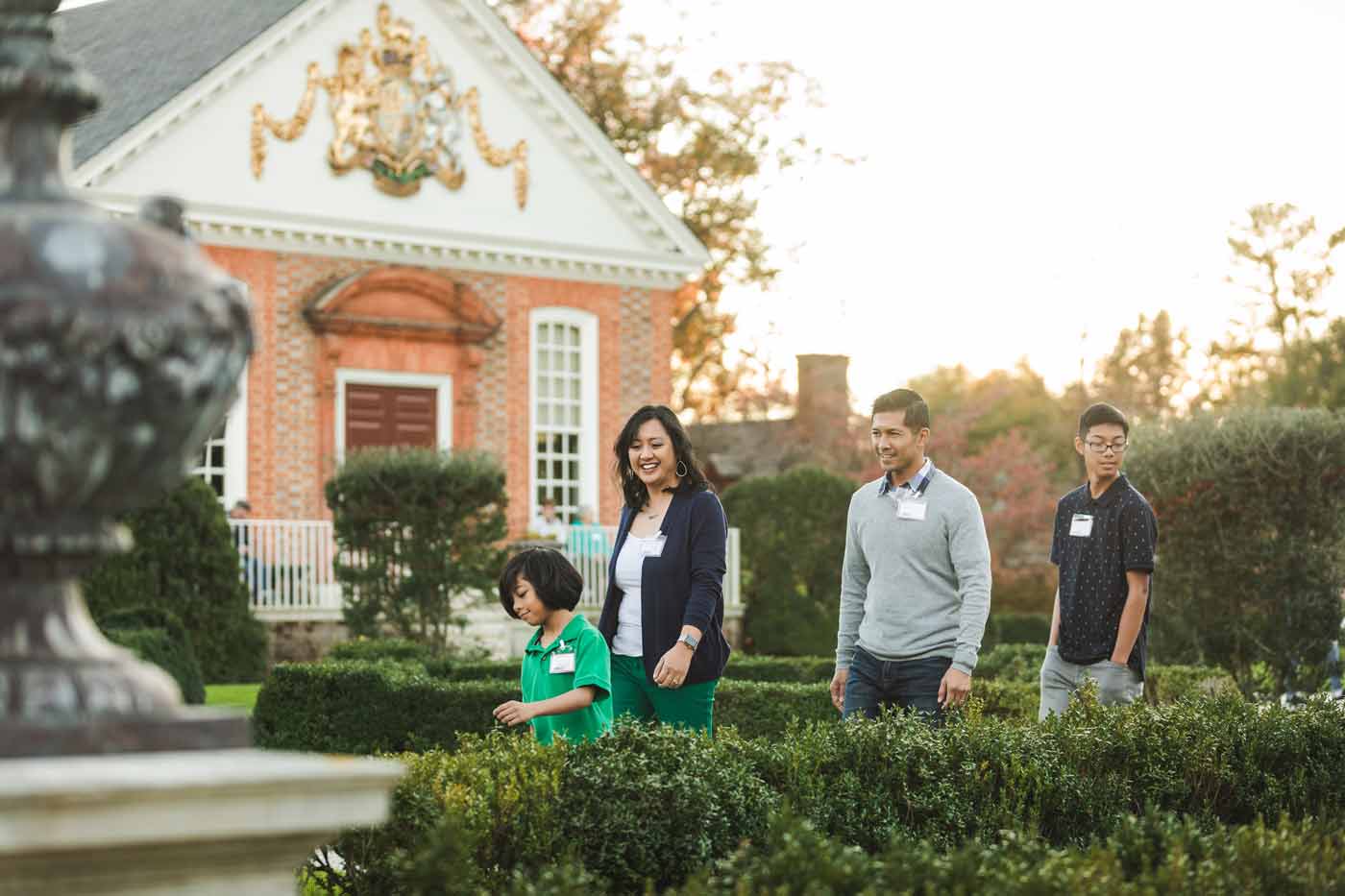
In the second half of the 18th century, marriages in gentry families were made more for love than the previous ideal of alliances of power. That was a change that eventually spread from the gentry to all classes of society, and historians call the change “the rise of the affectionate family.” Relationships among family members became less formal and more emotional. The family turned inward, away from the strife and competition of the outside world and toward the haven and peace of the family.
The traditional role of authoritarian parents gave way to affectionate bonds, while wives and husbands became more companions. Fathers took a more active role in day-to-day childrearing. Women became more active in the spiritual advice they gave their children and servants.
Childhood Assumes New Importance
Parents, as they always had, wanted their children to be upright, moral, independent members of society, but in the “affectionate family,” how children were trained changed. Infants and young children became a focus of family life and their development was a source of delight to parents and other adults. Parents actively sought educational experiences. There was a growing demand for books on childcare and children’s behavior.
In the middle of the 18th century, families typically included six to eight children despite the frequent stillbirths and miscarriages that were common. Fear for the newborn and the mother was part of every birth. The loss of every child was mourned, but in mid-century, it became more openly emotional for black and white families.
Content excerpted from the Colonial Williamsburg Foundation’s publication “Becoming Americans”.
Multimedia and related links
-
Podcasts
- View descriptions
-
Prelude to Victory
"Prelude to Victory" celebrates the anniversary of the Battle of Yorktown with three days of special programs that recall September 26, 27, and 28, 1781. September 24, 2007
Audio podcast: Listen (mp3) | Transcript
Image enhanced: View (m4a) | Transcript
-
Researching Revolutionary Citizens
Actor-interpreter Corinne Dame talks about the continual research necessary to give a living and accurate portrayal of Williamsburg's 18th-century citizens. September 18, 2006
Audio podcast: Listen (mp3) | Transcript
Image enhanced: View (m4a) | Transcript
-
African American Programs at 30
African American programming adapts through the decades. Harvey Bakari outlines the goals of interpreting Williamsburg's enslaved population. February 2, 2009
Audio podcast: Listen (mp3) | Transcript
Image enhanced: View (m4a) | Transcript
-
The Bray School
A historic headmistress devotes her days to educating enslaved children. Interpreter Antoinette Brennan shares the biography of Ann Wager. September 29, 2008
Audio podcast: Listen (mp3) | Transcript
Image enhanced: View (m4a) | Transcript
-
No Master Over Me
A man purchases his enslaved family to set them free. James Ingram shares the tale. February 4, 2008
Audio podcast: Listen (mp3) | Transcript
Image enhanced: View (m4a) | Transcript
-
Smallpox and the Covenant
America's smallpox eradication has its roots in 18th-century Boston. July 13, 2009
Audio podcast: Listen (mp3) | Transcript
Image enhanced: View (m4a) | Transcript
- more...
- Quicktime 7 (free) is required to view the enhanced and video podcasts.
- Subscribe to our podcast RSS feeds:
Audio | Image enhanced | Video
-
Journal articles
-
To Boldly Go
Captain James Cook and the Search for the Northwest Passage
-
The Truth About Betsy Ross
-
A Man of Firmness
Justice John Blair and the Letter of the Law
-
About Faces
- more articles...

Daily jigsaw puzzles