Page content
Resize textResize textResize text largerEmail pagePrint pageShare this page
View related multimedia and links
Interpreters heat scrap brass in the forge.

Scrap brass is heated in the forge.

Geddy Gunsmith and Founder

A Williamsburg family tradition

William and David Geddy advertised in the Virginia Gazette that they were carrying on the gunsmith’s, cutler’s and founder’s trade. These two brothers were following in their father’s footsteps when they served an apprenticeship to their father James Geddy Sr. Their newspaper ad ran on August 8, 1751.

David and William Geddy advertised their trade in Hunter's Virginia Gazette, August 8, 1751.

View plain text advertisement

David and William Geddy Smiths in Williamsburg, near the church, having all manner of utensils requisite, carry on the Gunsmith’s, Cutler’s and Founder’s Trade, at whose Shop may be had the following work, Viz. Gun Work, such as Guns and pistols Stocks, plain or neatly varnished, Locks and Mountings, Barrels blued, bored and rifled; Founder’s Work and Harness Buckles, Coach Knobs, Hinges, Squares, Nails and Bullions, curious Brass Fenders and Fire dogs, House Bells of all sizes, Dials calculated to any Latitude; Cutlers Work, as Razors, Lancets, Shears, and Surgeons Instruments ground, cleaned and glazed, as well as when first made, Sword Blades polished, blued and gilt in the neatest manner, Scabbards for Swords, Needles and Sights for Surveyors Compasses, Rupture Bands of different sorts, particularly a Sort which gives Admirable Ease in all kinds of ruptures: Likewise at the said Shop may be had a Vermifuge, Price 3s. 6d. per bottle, which safely and effectually destroys all kinds of worms in Horses, the most inveterate Pole-evils and Fistulas cured, and all incident to Horses; at their said Shop.

Stocks are made from one piece of wood.

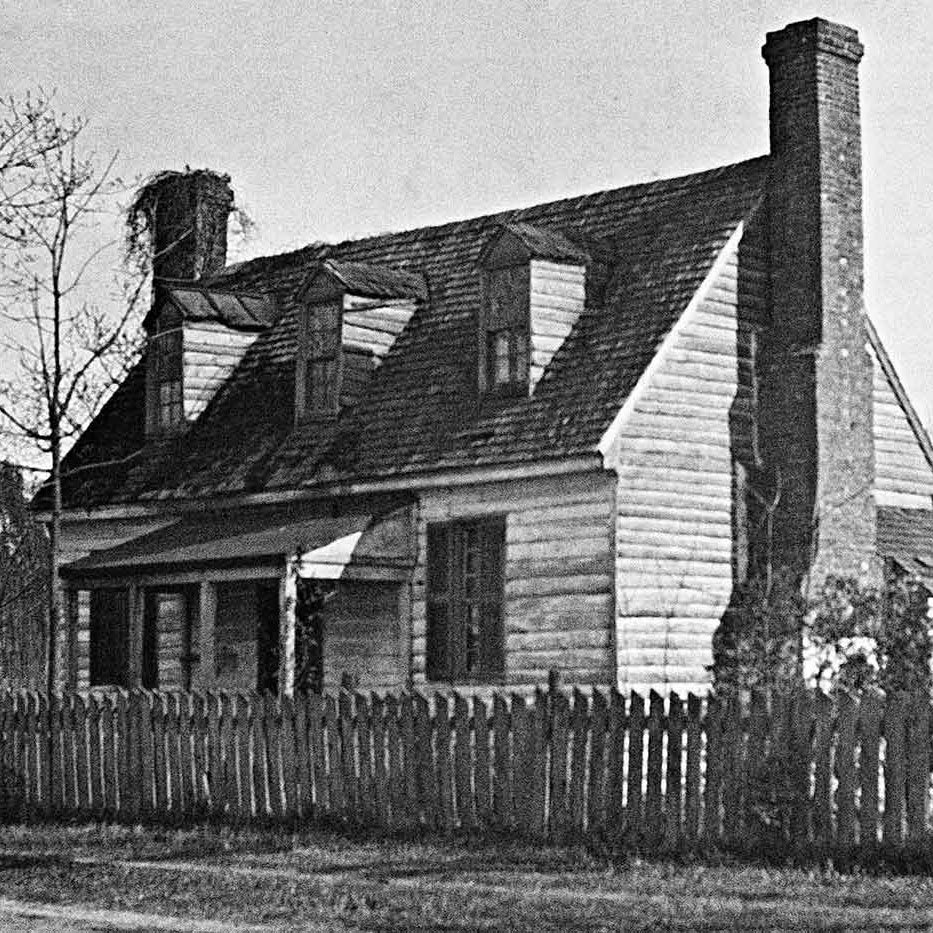
The Geddy Foundry stands just off the Palace Green.

Gunsmiths master many trades

To make all the parts of a firearm requires some knowledge of many trades. Making a gun barrel and a flintlock requires the ability to forge iron and steel into shape. The pieces of a lock are filed and fitted together so they function. The parts are hardened and tempered for wear resistance. The stock is made from one piece of wood — usually maple, walnut or cherry. The same tools any woodworker would use are used to inlay the metal parts into the stock and shape the stock to final size. Firearms are usually decorated with relief carving on the stock and engraving on the metal surfaces.

Casting metal parts

The gunsmith also has to have the ability to cast metals such as brass, bronze and silver to form the butt plate, trigger guard and side plate. Casting is accomplished by packing a small amount of dampened sand and clay into a flask. A pattern carved of wood is pressed into the sand. Another sand-packed flask is placed on top. When the halves of the mold are separated, the pattern is lifted and leaves a void in the mold.

Channels are cut into the sand so the metal will flow into the void. The flask is put back together and molten metal is poured into the mold. When the metal cools and turns solid the mold is broken apart and the casting removed for further filing and polishing. These same techniques can be used to make other cast items as well—like furniture hardware, harness fittings, and candlesticks.

With all of these skills a gunsmith and founder could make and repair other objects that people would want to purchase, using the same technology used in making firearms.

Today in the Historic Area

Today the gunsmiths and founders carry on their trade at the Geddy site, near the center of the Historic Area, using the same technologies as their 18th-century predecessors.

Molten brass is poured into a mold.

Molten brass is poured into a mold.

A gunsmith performs detail work on the stock of an American long rifle.

A gunsmith’s trade demands precision.

A veritable arsenal decorates a wall.

Close work requires a steady hand.

Close work requires a steady hand.


Learn more:


Multimedia and related links

  • slideshows
  • videos
  • podcasts
  • Video

  • The Second Pour

    The Second Pour

    We're making a cannon: watch the second mortar pour. September 15, 2009

    Launch

  • The Joy of Discovery

    The Joy of Discovery

    Recreating 18th-century technology takes perseverance and luck, says Jay Gaynor, Director of Historic Trades. August 10, 2009

    Launch

  • Swordmaking in the 18th Century

    Swordmaking in the 18th Century

    Colonial tradesmen learned the swordmaking craft as Virginia armed itself for war. Journeyman brass founder Suzie Dye describes the process. March 2, 2009

    Launch

  • more...
  • Podcasts

  • View descriptions
  • Recreating a Cannon, Part Two

    Revolutionary-era cannon tell the story of the evolution of war technology. Director of Historic Trades Jay Gaynor and Master Blacksmith Ken Schwarz continue their overview of recreating a light infantry three-pounder. November 17, 2008

    Audio podcast: Listen (mp3) | Transcript
    Image enhanced: View (m4a) | Transcript

  • Recreating a Cannon

    Revolutionary-era cannon are artifacts of war technology's evolution. Director of Historic Trades Jay Gaynor and Master Blacksmith Ken Schwarz describe the process of recreating a light infantry three-pounder. November 10, 2008

    Audio podcast: Listen (mp3) | Transcript
    Image enhanced: View (m4a) | Transcript

  • A Different Kind of Founder

    Candlesticks, buckles, bells, and sword hilts are just a few objects that Colonial Williamsburg founder Doc Hassell is called to manufacture. August 20, 2007

    Audio podcast: Listen (mp3) | Transcript
    Image enhanced: View (m4a) | Transcript

  • Gunsmith

    Master Gunsmith George Suiter talks about the art of making guns in the town of Williamsburg. January 16, 2006

    Audio podcast: Listen (mp3) | Transcript

  • more...
  • Quicktime 7 (free) is required to view the enhanced and video podcasts.

  • Related Information