that the future may learn from the past
Printer FormatEmail Page
Experience the Life : Trades : Saddler


Saddler
An English-style saddle complete with supplies necessary for travel rests on a tent.

Click image to enlarge

18th-century saddler sold several items needed for care of horse

Colonial saddlers furnished 18th-century Williamsburg citizens with hunt saddles, postilion saddles, racing saddles, sidesaddles, and various "horse furniture," which included harnesses, bridles, girths, surcingles, brushes, curry combs, and sponges.

Steer hide was the raw material used by a saddler. His primary tools were the crescent-bladed round knife, the pricking iron, and the wooden-handled stitching awl. Like his counterparts at today's Harness and Saddle maker, the colonial saddler used two steel needles to stitch pieces with waxed flax cord. Saddlers also had to show skill at ornamentation to please customers who wanted a decorative saddle.

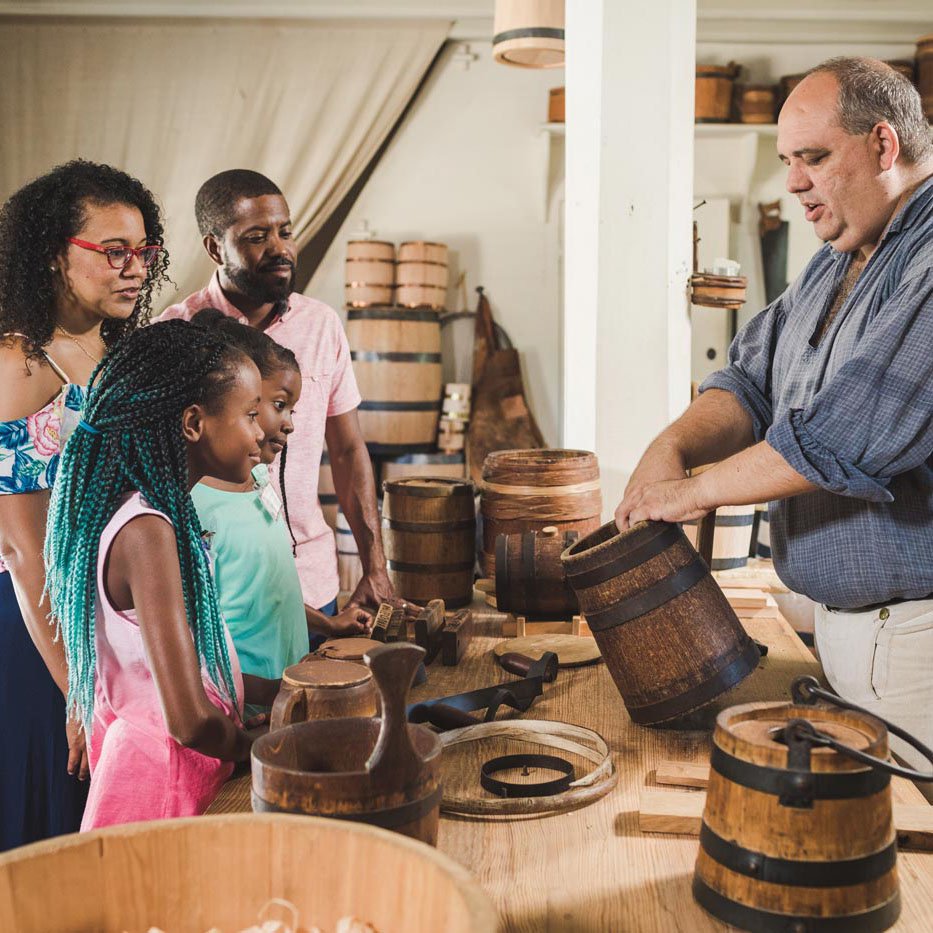
Harness and saddle makers are hard at work amidst the tools of their trade in the harness and saddle makers shop.

Today, the saddle and harness makers 
                    can be found in the Taliaferro-Cole Shop on Duke of Gloucester 
                    Street in Colonial Williamsburg.

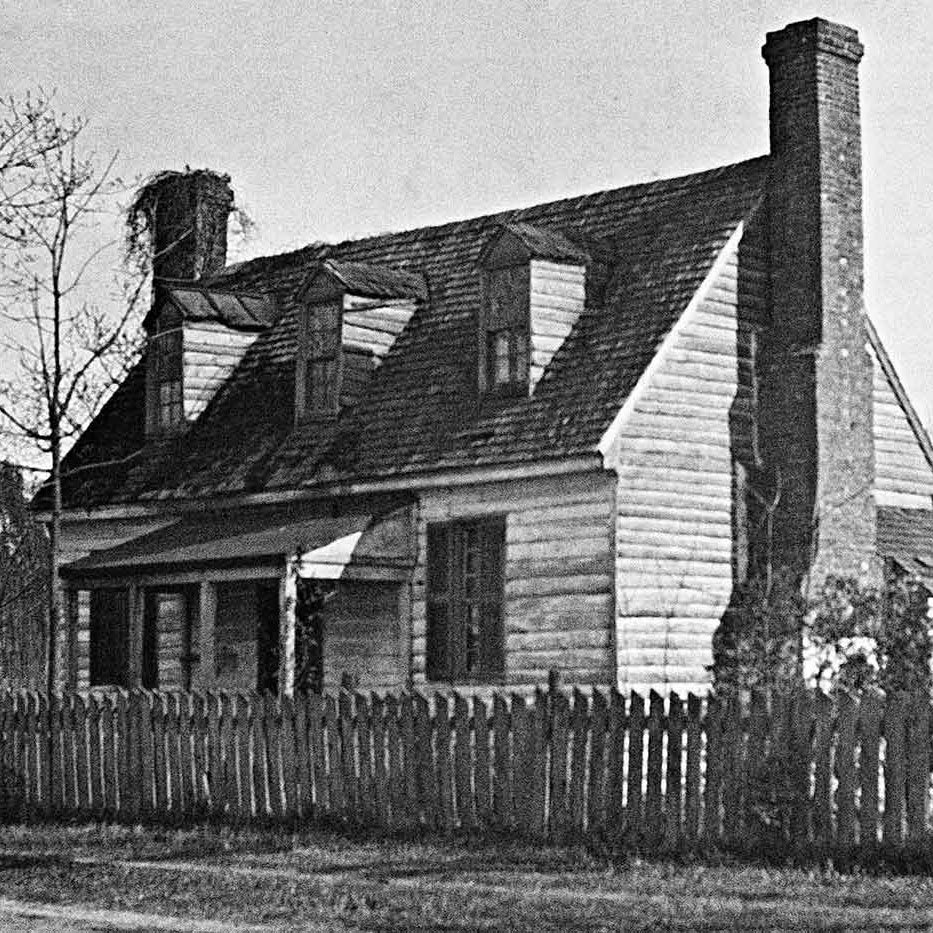
Today, the saddle and harness makers can be found in the Taliaferro-Cole Shop on Duke of Gloucester Street in Colonial Williamsburg.


Click images to enlarge

Saddles custom fitted to rider and horse

Saddles were built on a wooden tree and were tailored to the customer's measurements and those of his mount. The tree was strengthened with iron plates and fitted with hardware to secure the stirrup leathers. Harnesses were sewn from strips of leather cut on the premises and mounted with rings, bits, and buckles from the founder and the blacksmith.


For further reading: