Open today until 5:00 p.m.
-
Monday
9:00 a.m. - 5:00 p.m.
-
Tuesday
9:00 a.m. - 5:00 p.m.
-
Wednesday
9:00 a.m. - 5:00 p.m.
-
Thursday
9:00 a.m. - 5:00 p.m.
-
Friday
Closed
-
Saturday
Closed
-
Sunday
9:00 a.m. - 5:00 p.m.
Watch as silversmiths transform coins and outdated silverware into fashionable pieces for the dining room, parlour, and personal adornment. Silver cups, teapots, and spoons are just a few examples of what you will find here.

Learn More
DIY-ers & Makers Itinerary
See the time before power tools and meet our world-class artisans in the Historic Trades. Must see for DIY and makers of all ages!
Learn More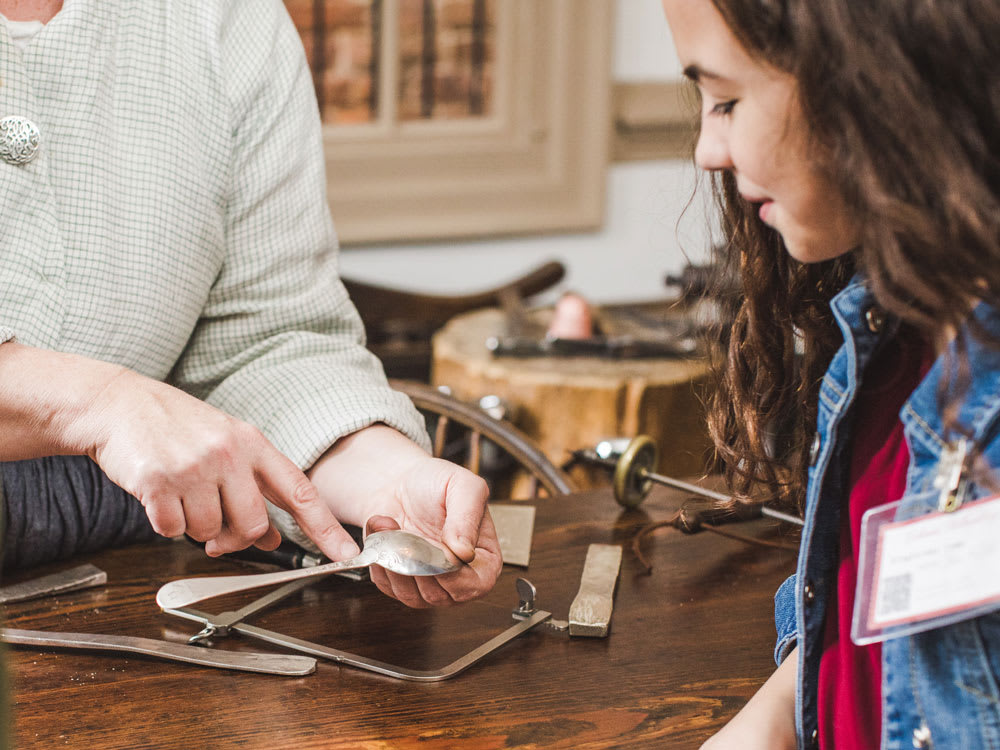
Related Events
-
Special Event: Conservation in Action
Arms conservator Isabelle will be on hand to discuss her work on the Magazine Project and the conservation of firearms.
CW Admission
-
Special Event: Darryl Reeves Master Blacksmith
Stop by the Public Armory for talks and demonstrations by Master Blacksmith Darryl Reeves, a third-generation metal worker from New Orleans' Seventh Ward and apprentice Karina Roca
Open to the Public
Art Museums for CW Kids
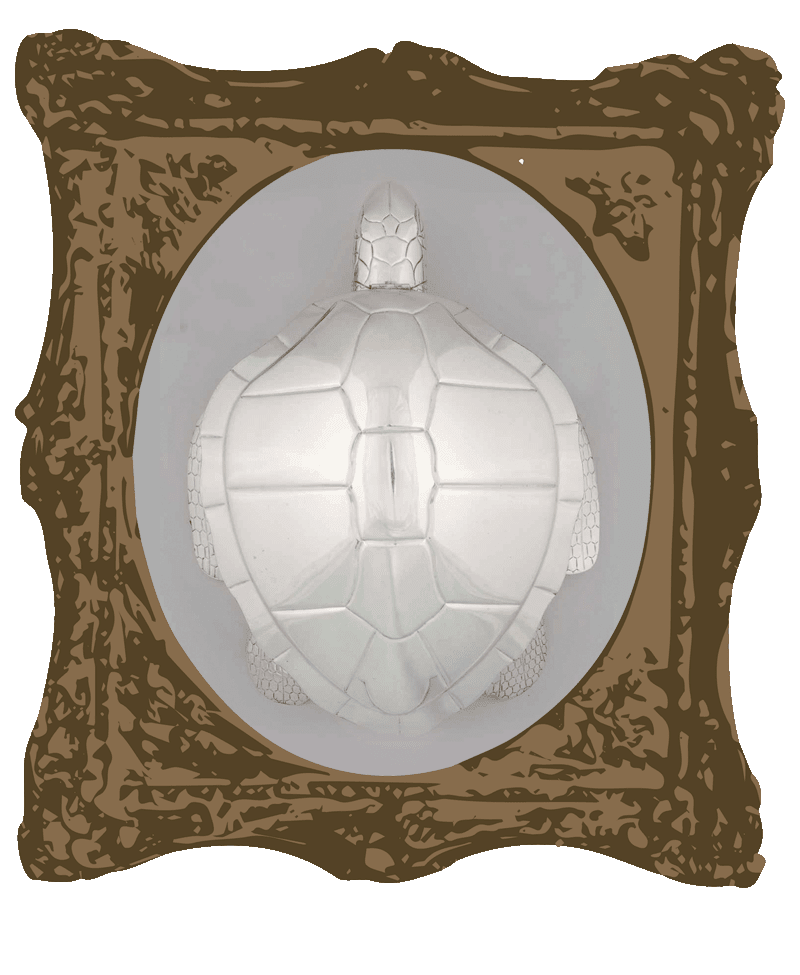
Explore items from the Art Museums of Colonial Williamsburg's collection. Learn cool facts, have some fun with at-home craft projects, and find out where to see these items in person when you visit!
Historic Trades
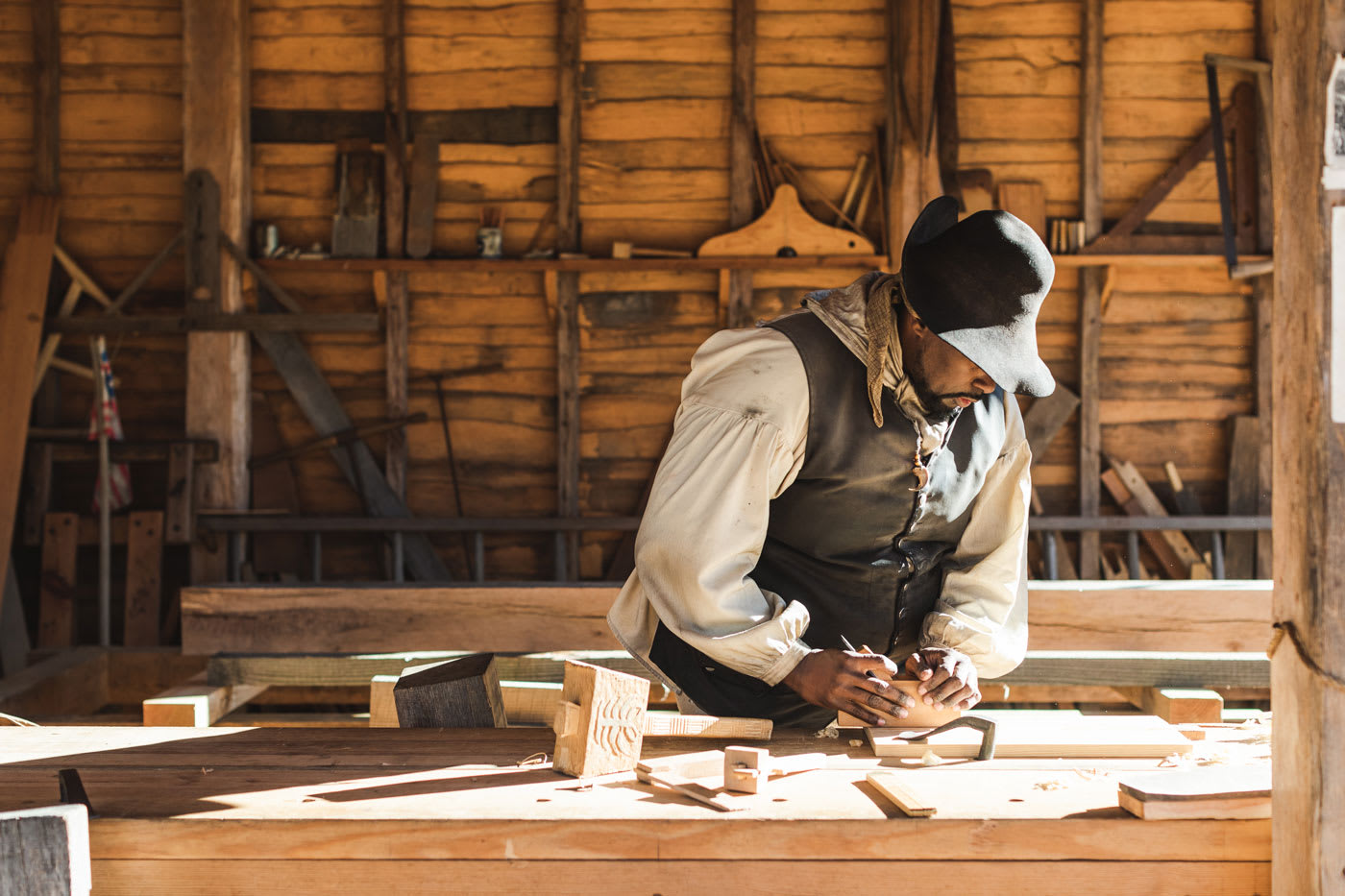
Discover craftsmanship in more than 20 trades, where modern-day practitioners use 18th-century tools and techniques to apprentice in — and eventually master — blacksmithing, woodworking or gunsmithing, just to name a few.
View All