Closed currently
-
Monday
9:00 a.m. - 5:00 p.m.
-
Tuesday
9:00 a.m. - 5:00 p.m.
-
Wednesday
9:00 a.m. - 5:00 p.m.
-
Thursday
Closed
-
Friday
Closed
-
Saturday
9:00 a.m. - 5:00 p.m.
-
Sunday
9:00 a.m. - 5:00 p.m.
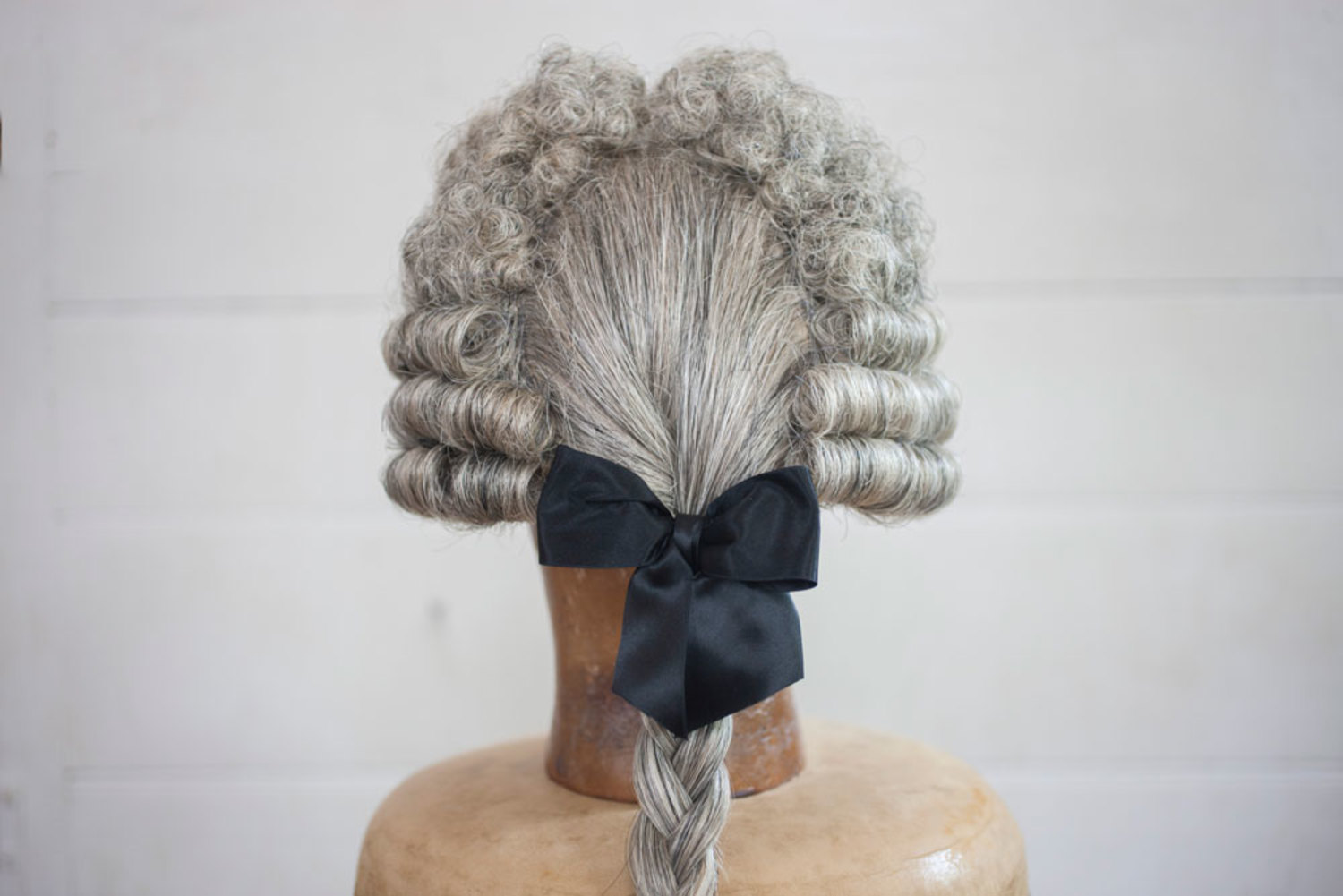
Routinely wearing a wig may seem strange to us, especially for men, but it communicated the wearer's elegance, his station in society, and even his occupation. With the skill of a barber and hairdresser combined, our wigmakers fashion "perukes" of quality and distinction.

Learn More

Fashionistas Itinerary
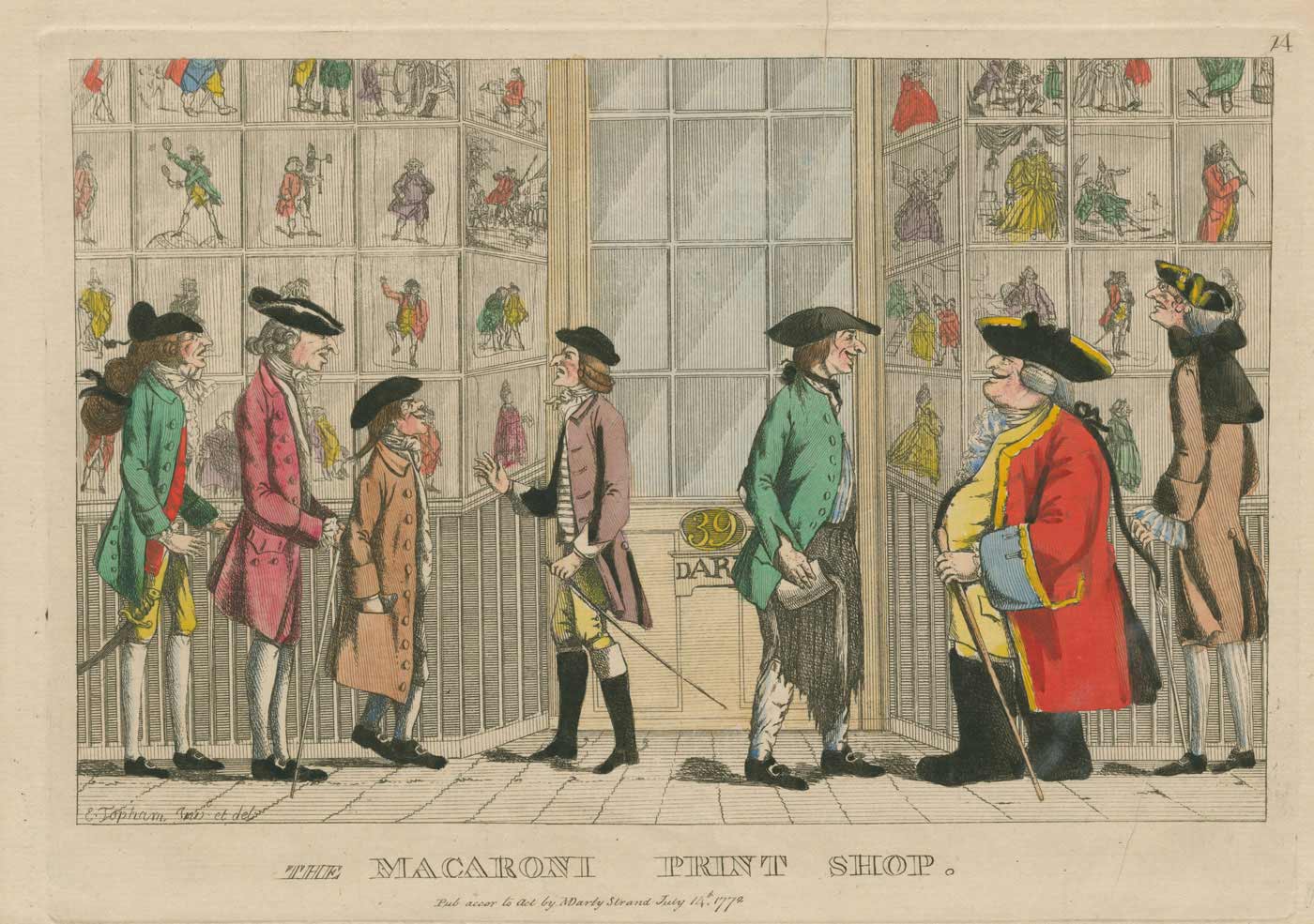
Did you know colonialists often wore bright colors and patterns? Explore the world of 18th-century fashion and style.
Learn More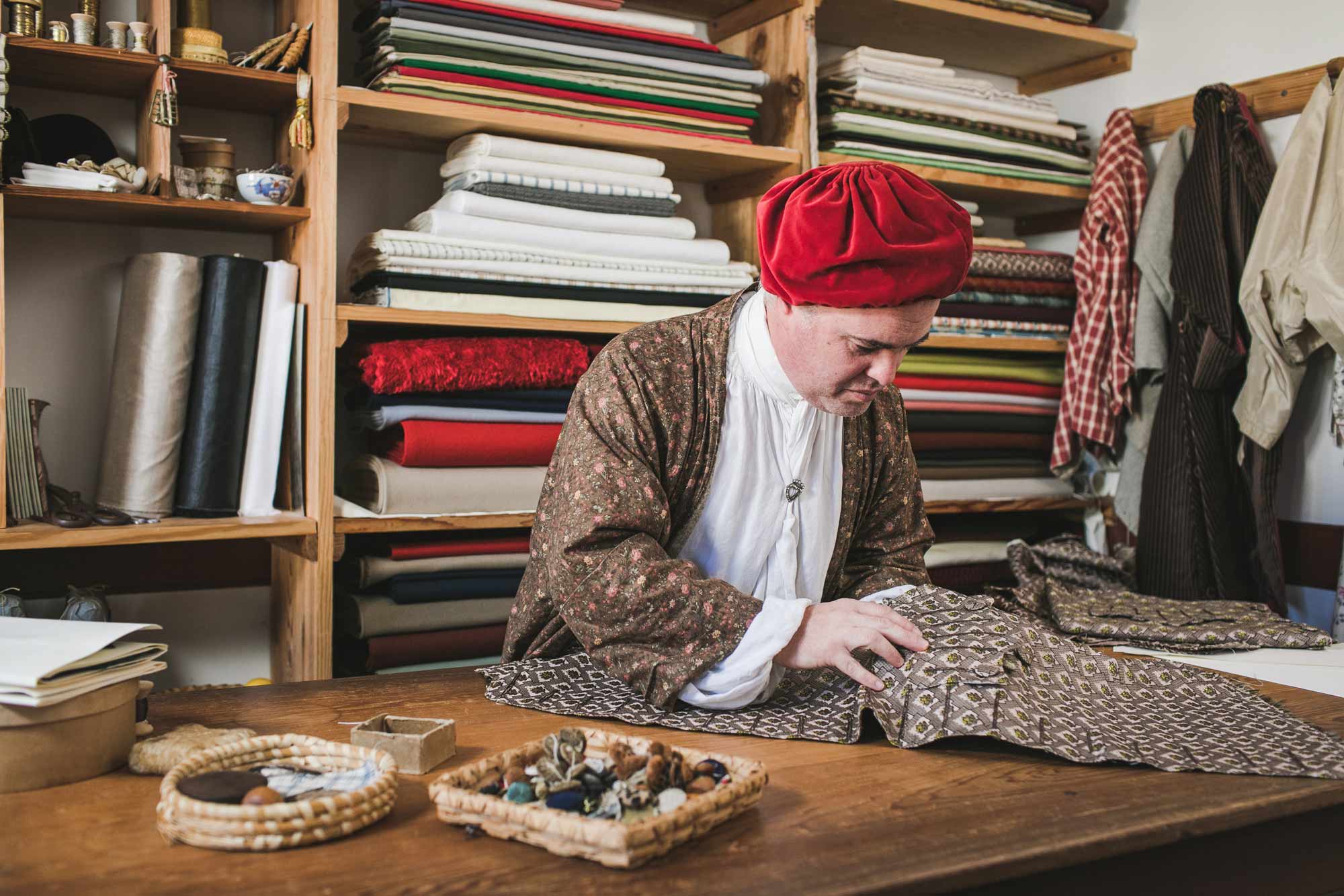
Related Events
-
Performance: From Freedom to Slavery
After making a free life for herself as an adopted Shawnee Indian, Methotaskee is brought back into slavery.
Art Museums Admission
-
Special Event: Dye Day at the Weaver
Join us as we recreate natural dyes and dye recipes of the 18th century to achieve a spectrum of dazzling colors.
CW Admission
-
Special Event: A Summer Gown in a Day
The Mantua-makers are making a gown in a day! See the dress take shape and discover the summer fashions that helped keep Williamsburg’s diverse families cool on a hot Virginia day.
CW Admission
Historic trades
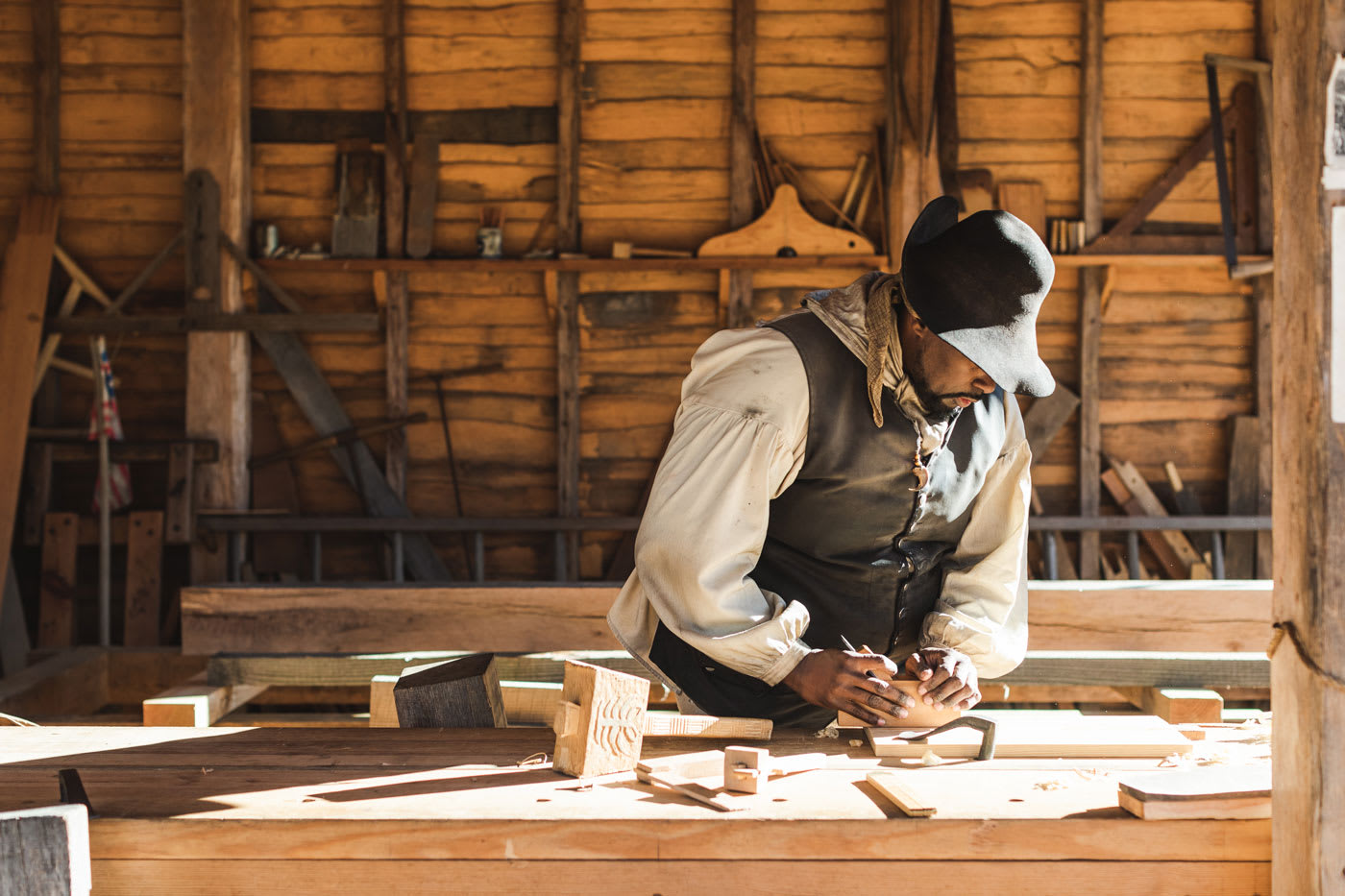
Discover craftsmanship in more than 20 trades, where modern-day practitioners use 18th-century tools and techniques to apprentice in — and eventually master — blacksmithing, woodworking or gunsmithing, just to name a few.
View All