Tools of the Trades


  • Eighteenth-century apothercaries serve as druggist, doctor, and occasional surgeon.

  • Strips of white oak await the basketmaker's nimble fingers.

  • From the laundry to the barn, the blacksmith's wares are always at hand.

  • The bookbinder adorns a tome's cover with the imprint from an array of wheels.

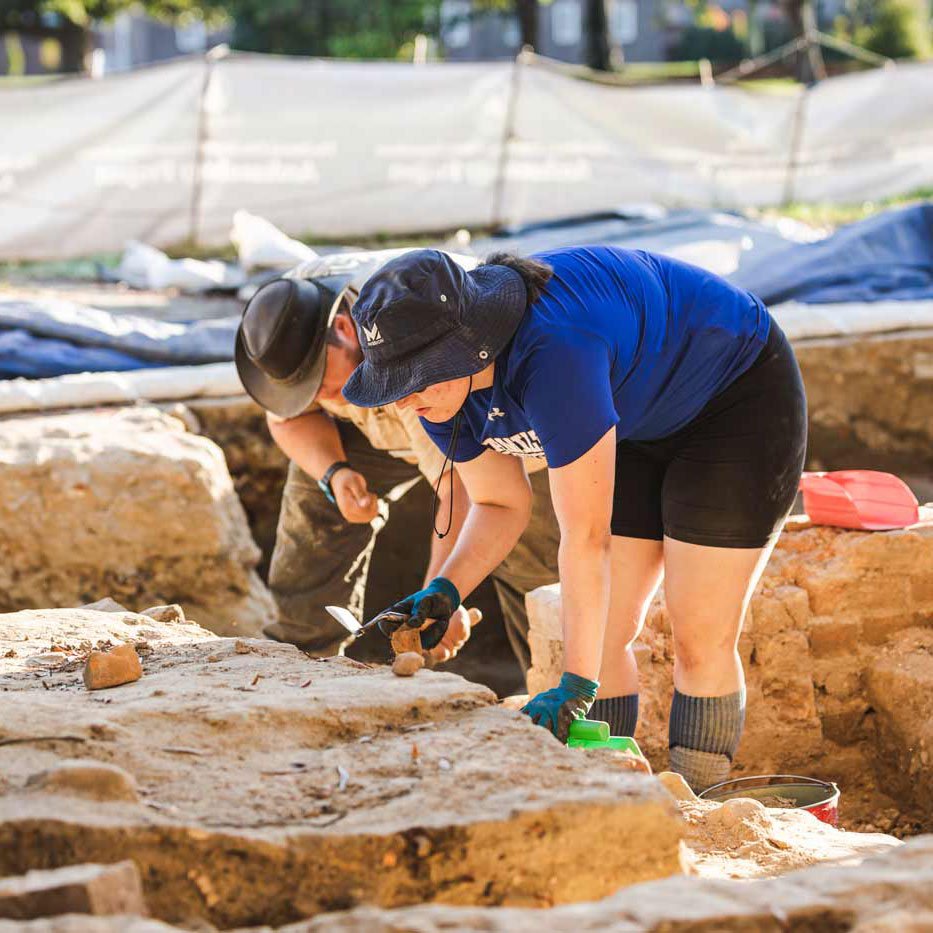
  • Williamsburg's foundations rest on rows set by the brickmaker's strong hands.

  • In the skilled cabinetmaker's grip, carving tools inscribe feathered rows.

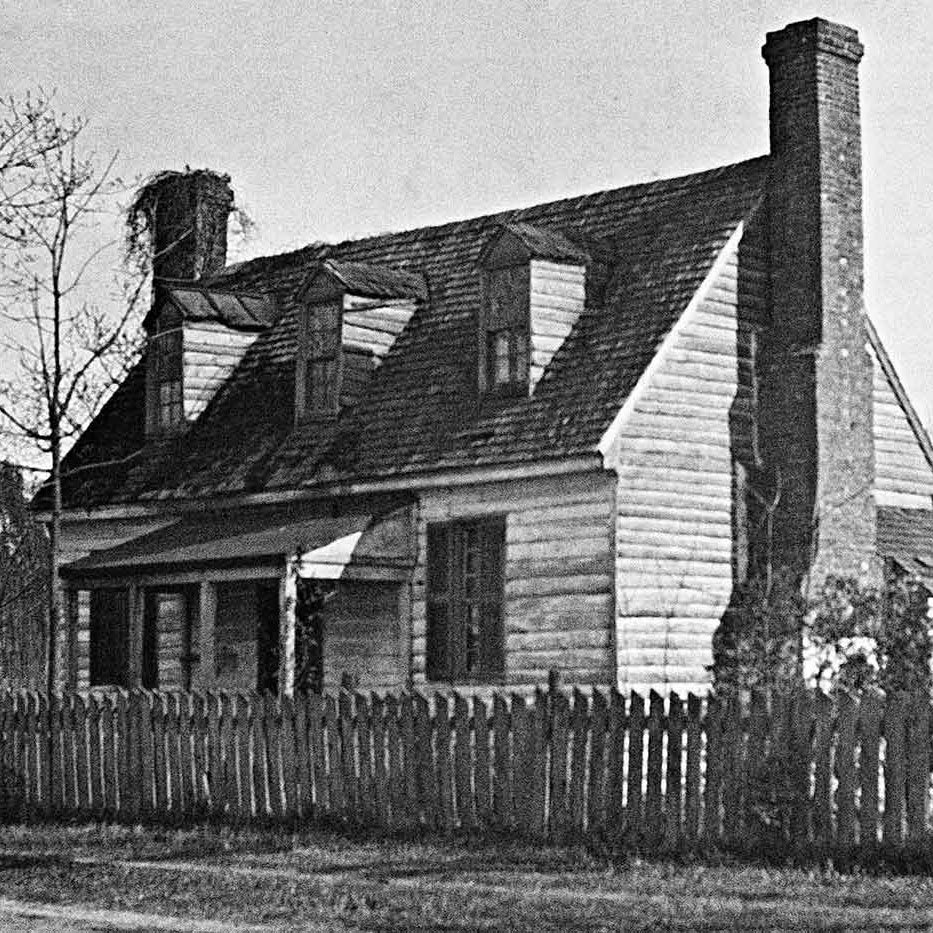
  • Carpenters transform boards and beams into sturdy shelter using hefty mallets and sharp planes.

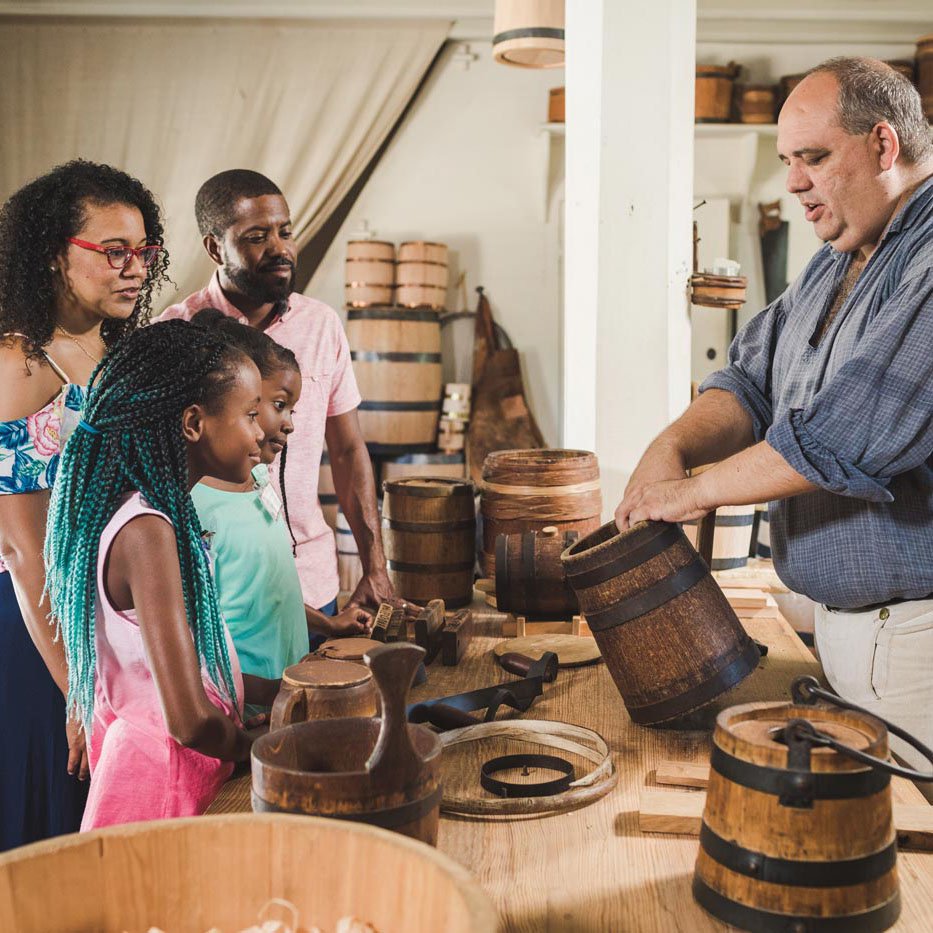
  • Circles drawn with the cooper's compass translate into barrels of perfect roundness.

  • Straw whisks, metal tongs, and wooden spoons used in historic foodways are shapes familiar to modern cooks.

  • Hand-held bellows coax transfigurative heat from low flames at the foundry.

  • The gunsmith plies the skills of several trades, assembling a weapon from wood and metal.

  • The milliner's shears slice cloth to fit a woman's form.

  • All the news that's fit to print is transferred to paper at the printer's shop.

  • Cart and yoke await the oxen's pull in rural trades.

  • Harnesses, leads, straps and stirrups from the saddlemaker's shop guide horses all through town.

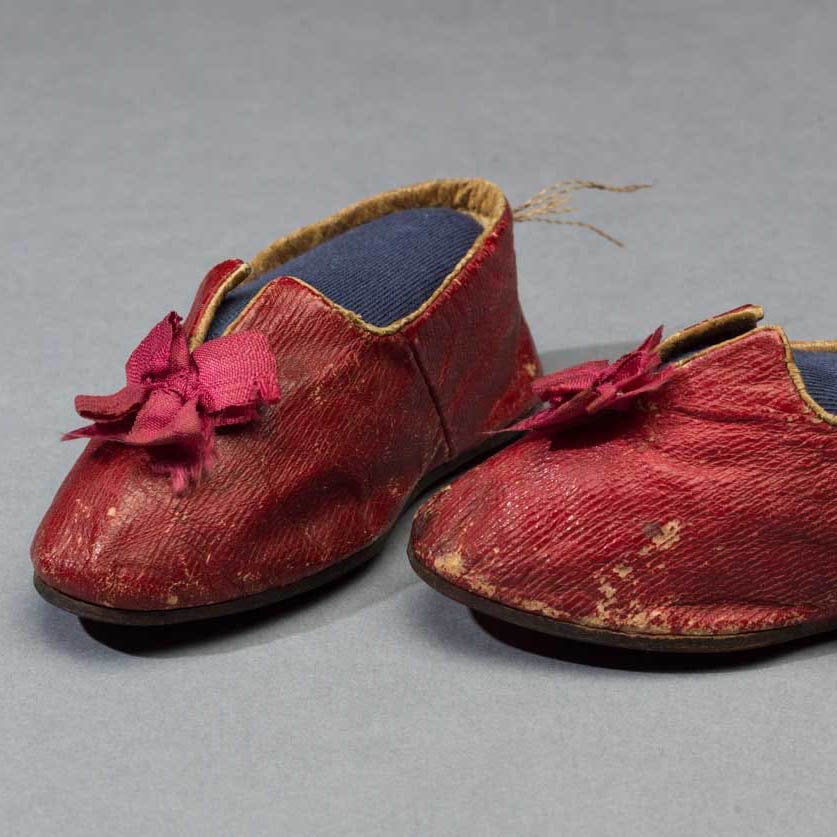
  • Keeping Williamsburg well shod requires an array of expertise of the shoemaker.

  • Files of varying degrees smooth rough edges at the silversmith's shop.

  • Needle and thread make the clothes that make the man at the tailor's bench.

  • A shuttle feeds a yarn-hungry loom at the weaver's.

  • Once assembled, a wheel from the wheelwright's shop can weigh as much as 250 pounds.

  • Keeping heads in high fashion is the wigmaker's charge.
Colonial Williamsburg Foundation © 2007