Page content
Current Exhibits
at the DeWitt Wallace Decorative Arts Museum

Richard Newsham's Fire Engine
Richard Newsham’s Fire Engine explores fire and fire fighting in the 18th century with the display of an original fire engine built in the mid-18th century. Williamsburg, described as "our Wooden city" in 1721, remained relatively safe until 1747 when the Capitol burned. The new Capitol was threatened in 1754. Wisely, the colony decided to invest in a proper fire engine, and the next month the Council directed “That the Receiver General send to London for a Fire Engine and Four Dozen of Leatheren Buckets for the use of the Capitol” Initially granted a patent on December 26, 1721, Richard Newsham’s “new water engine for quenching and extinguishing fires” became the clear choice for anyone in England or America who was serious about combating the flames. So effective were Newsham’s engines that some were used for more than a century. The original engine is on view for the first time. Opens Saturday, February 18, 2012.

More than Meets the Eye: Maps and Prints of Early America
This exhibition explores how maps and prints aided colonial expansionists by conveying attitudes and values that swayed public opinion. Portraits depicted Native Americans as deferential subjects of the king. Maps, regarded as scientific and authoritative documents, were designed to impart a perception of power and control over the environment, claim land, and establish boundaries. The exhibition features maps and prints from the Foundation's nationally important collection, as well as important pieces borrowed from other institutions and private collectors. A few of the maps and prints have rarely been on view, including the so called "Frenchman's Map" from the collections of Swem Library at the College of William and Mary, which illustrates the 18th-century town of Williamsburg. This exhibition is made possible by the Nicholas and Eleanor Chabraja Foundation. Through September 3, 2012.

Dollars, Farthings & Fables: Money and Medals from the Colonial Williamsburg Collection
This exhibition showcases some wonderful treasures from the numismatics collection. See the smallest and largest coins in the collection as well as the prettiest and ugliest. Find out about the first dollar bill, the medals that were produced to honor George Washington, and the first coins made in the New World. One of our newest acquisitions is an amazing collection of paper money that was amassed in the late 18th-century by Samuel Cornell of North Carolina. Like other pieces in the exhibition, it has an interesting story to tell. Ongoing exhibition.

"A True North Britain": The Furniture of John Shearer, 1790-1820
This ground-breaking traveling exhibition organized by the Daughters of the American Revolution Museum in Washington, DC., examines the furniture of John Shearer, a joiner who worked in the backcountry of Virginia and Maryland from ca. 1790-1820. Through the use of inlay and inscriptions, Shearer's furniture demonstrated his loyalty to Great Britain. Shearer's continued allegiance to Great Britain and her Royal Navy after the American Revolution underscored the evolving political landscape of the new United States. Through March 4, 2012.
Fashion Accessories from Head to Toe
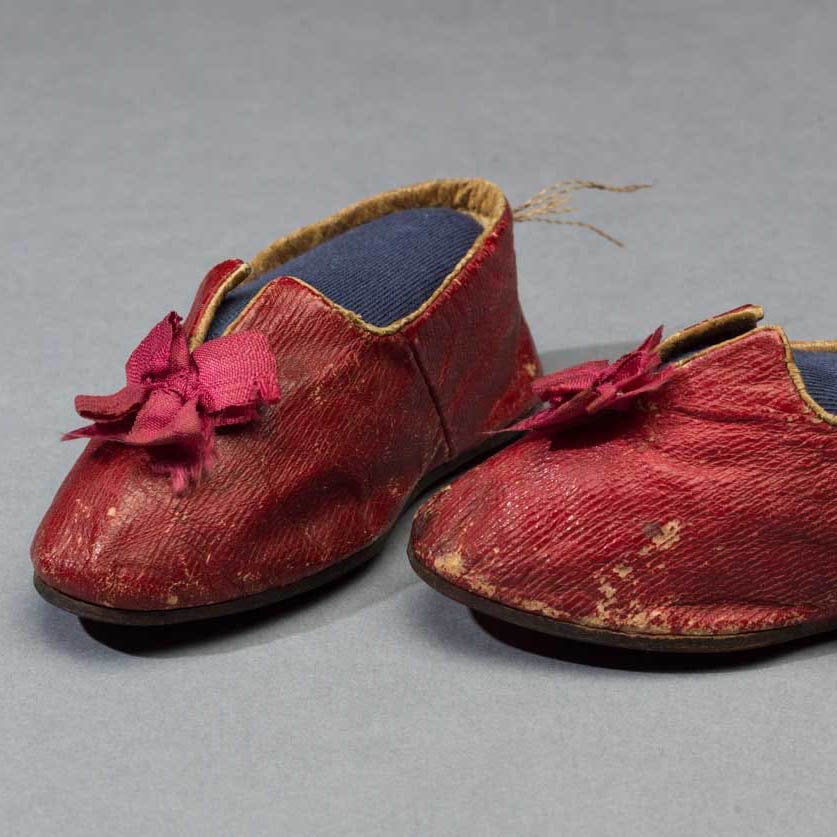
This exhibition features costume accessories from the late seventeenth through the early nineteenth century. Women and men enhanced their appearance with the addition of hats, purses, jewelry, shoes, and more. These objects kept pace with change in fashion and present a visually rich overview of the period. The exhibition is made possible by Mary and Clinton Gilliland of Menlo Park, California, and the Turner-Gilliland Family Fund of the Silicon Valley Community Foundation. Through December 31, 2012.

Rebuilding Charlton's Coffeehouse
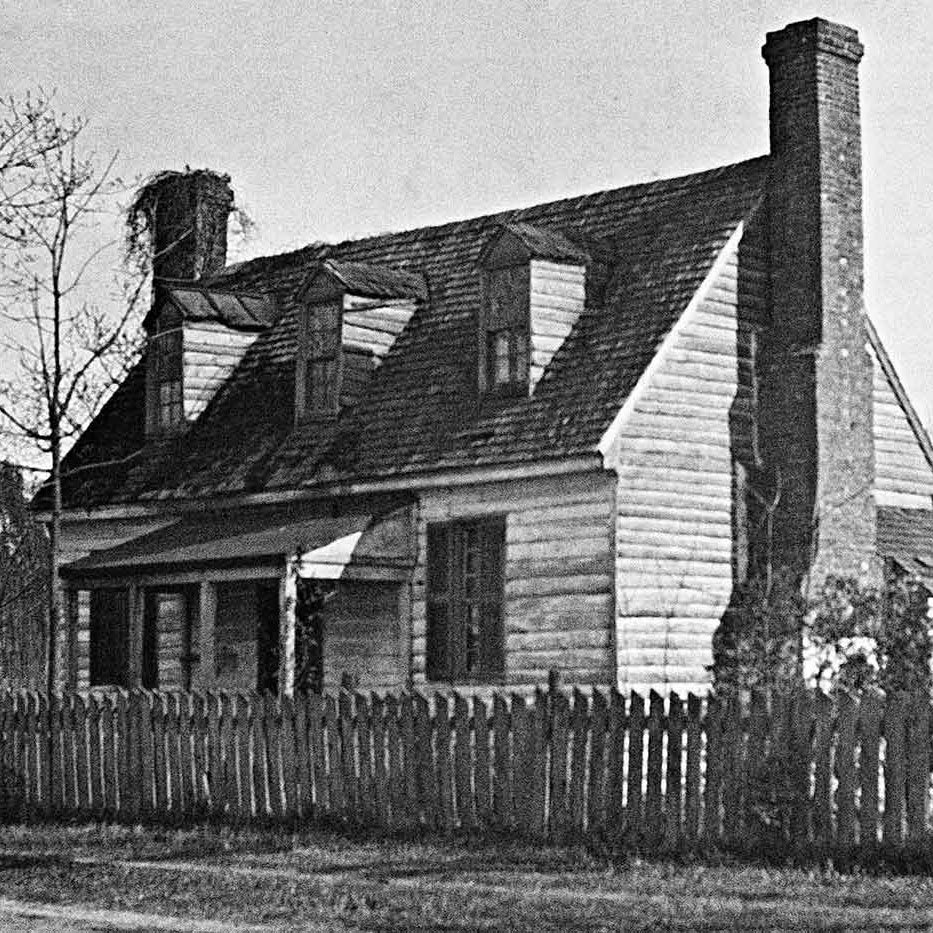
Colonial Williamsburg’s recent reconstruction of Charlton’s Coffeehouse is the first ground-up reconstruction along Duke of Gloucester Street in several decades. It involved the work of every department and trade in the Foundation. The exhibition explores how such a building could be so accurately constructed and furnished when seemingly very little was left of the original structure. It will use archaeological, architectural, archival, decorative arts and trades components to show visitors the process of rebuilding the history, structure, and interiors of the coffeehouse. Through video, graphics, original objects, and touchable reproductions, visitors will learn firsthand what it took to bring the project to completion. Ongoing exhibition.

Declarations of Independence
This exhibition features five copies of the famous document printed in anticipation of the 50th anniversary of the signing of the Declaration of Independence. Printers competed to produce copies that would allow every household to own a copy of the Declaration. In 1823, an official version was created by William Stone and presented to the few remaining signers of the original Declaration as well as many government officials. Today, only about 30 of the original 200 copies survive. This exhibition was made possible by a gift from Valerie and Barry Boone and family. Learn more about the Declaration of Independence. Through September 3, 2012.

Conservation: Where Art and Science Meet
This exhibition presents a different way of looking at museum objects. Visitors will discover what is harmful to objects and what preserves them. Before an object is shown, conservators investigate each piece with a variety of fascinating techniques to understand the object and ensure its preservation for the future. This exhibition was made possible in part by: The Stone Family Fund, Los Angeles, Calif., and The Friends of Heritage Preservation, Los Angeles, Calif. Through September 3, 2012.

American Furniture: From Virginia to Vermont
This exhibition in the Elizabeth Ridgely and Miodrag Blagojevich Gallery highlights pieces from three regions: Eastern Virginia, Pennsylvania, and New England. While early furniture forms and styles from these areas were similar during the late 17th through the early 19th centuries, the interpretation and the popularity of designs varied due to differences in local economies, trade settlement patterns, and the religious and cultural backgrounds of the inhabitants. A section on painted furniture further demonstrates regional styles and decorative influences. Through September 2, 2013.

Treasure Quest: Great Silver Collections from Colonial Williamsburg
This exhibition in the Mary Jewett Gaiser Gallery displays selections from the Foundation’s vast collection of 18th-century British silver. The collection has grown through generous gifts from collectors of everything from lavish silver-plated dining wares to striking Scottish tea wares. Ongoing exhibit.

Identifying Ceramics: The Who, What and Ware
This exhibition takes a closer look at the production and decoration of ceramic wares of the eighteenth century. Find out the difference between stoneware, earthenware and porcelain and discover how ornament was created or applied. Ongoing exhibit.

Selections from the Henry H. Weldon Collection
This exhibition in the Henry H. Weldon Gallery features a few select pieces from the collection of more than 725 pieces of 18th-century British pottery donated to Colonial Williamsburg by Mr. and Mrs. Henry H. Weldon. Ongoing exhibit.

Lock, Stock, and Barrel
This exhibition is an outstanding display of military and civilian weapons exploring muzzle-loading firearms, ignition systems, and the evolution of the standing British infantry musket before 1800. Ongoing exhibit.

Revolution in Taste
This exhibition dazzles with rich and colorful choices in table and tea wares available to 18th-century British and American consumers. Expanding world trade and strengthening industry put a teapot on every table -- until tea became a symbol of protest in the American Revolution. Ongoing exhibit.

Masterworks
This exhibition features splendid examples of British and American antiques from 1660 to 1820, including a sterling silver chandelier made for King William III and Charles Willson Peale's portrait of George Washington as commander of the American forces during the Revolution. Ongoing exhibit.