|
Teacher Resources
: Lesson Plans
: Getting Into History
PREFACE:
It is generally agreed that student learning should not be restricted to the traditional
classroom. The acquisition of knowledge can, and does occur in a wide variety of locations.
Teachers for many years have taken classes on field trips in order to take advantage of various
instructional environments. However, as funds for field trips have been reduced or eliminated
from school budgets, opportunities to engage in these types of activities are diminishing.
Consequently, teachers are seeking other ways of having their students avail themselves of the
opportunities to use the community as an instructional setting.
Museums and historic sites:
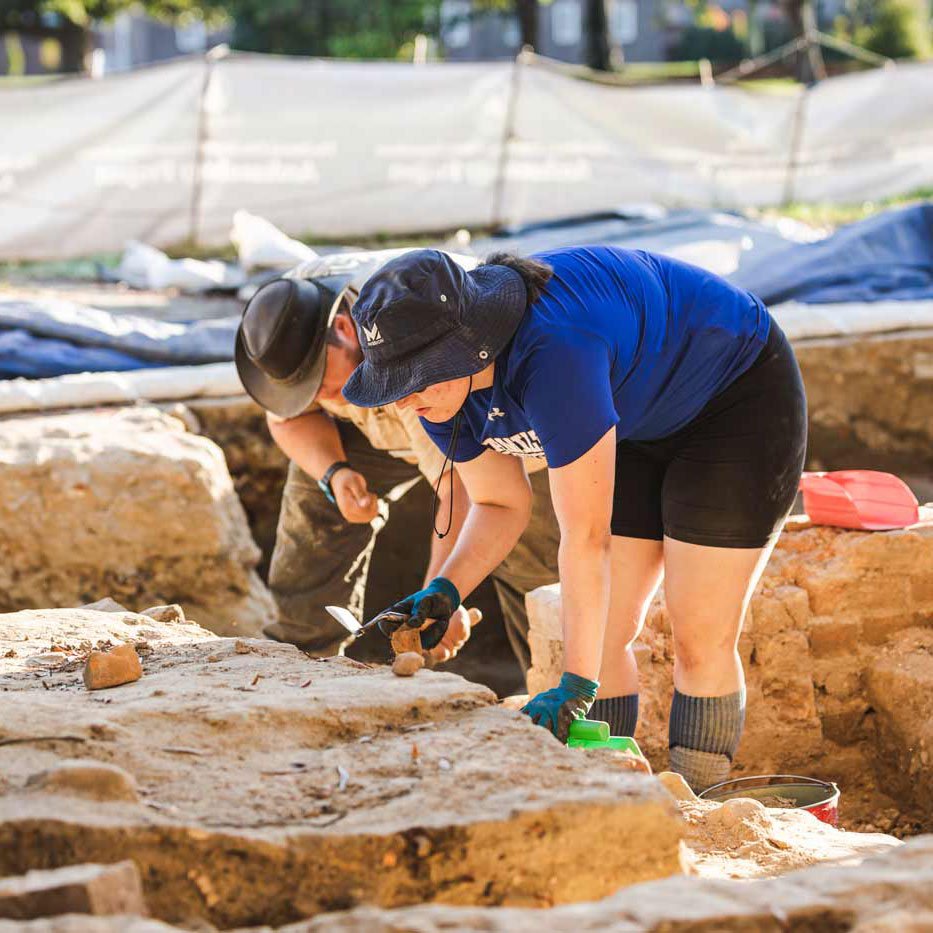
- Offer a unique opportunity for students to work with primary resources in a real
research setting assisted by professional archivists and historians.
- Allow students to interact with interpreters in both first-person historical roles
and out of character in order to come to a more complete view of both the time
being studied and the uses of resource material in the practical application of
historical character interpretation.
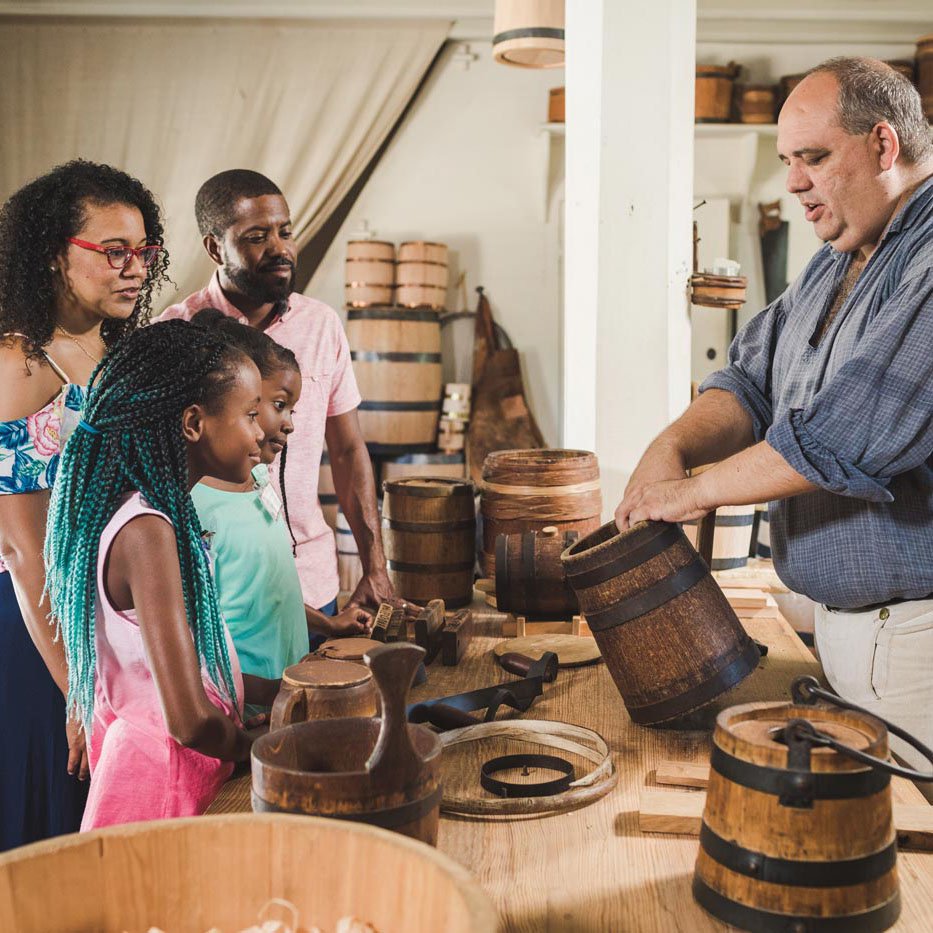
- Provide the chance for students to experience the material culture of another time
period by handling period artifacts and accurate reproductions, working in period
shops with period tools, wearing period clothing, preparing and eating period
foods, etc.
- Permit students to see historical interpretation outside of the traditional academic
setting.
- Allow students to participate in the establishment of displays and programs for the
public, increasing the awareness of the complexity and necessity of disseminating
public history to the community.
- Promote the principle of the student as proprietor of public history by encouraging
a sense of ownership and responsibility through participation in site programs
and development.
The activity that follows is one way of attempting to have students partake of the many
resources available to them in the community at large.
GRADE LEVEL: All
BACKGROUND INFORMATION:
Throughout the United States there are many and varied historical sites and museums. After
visiting these monuments to the past we are better able to understand our history and the people
and events of which we're a part. The purpose of this assignment is to enhance the students'
understanding of the present by having them visit the repositories of our heritage.
MATERIALS:
INSTRUCTIONAL FORMAT
OBJECTIVES:
After completing this assignment, students will be able to:
- Gather historical information as a result of their visit to a museum or historical site
- Explain the historical significance of the museum's collections or historic site visited
- Relate what has been learned at the museum to what has been discussed in class
- Present the results of their investigation to their classmates
STRATEGIES/PROCEDURES:
At the beginning of the school year, indicate to the students that during the year they will
be required to visit a museum or historic site.
During their visit they will complete the questions on the Graphic Organizer:
Getting Into History, take pictures, videos, gather
brochures, etc. (For additional ideas and aids see Teaching
Yourself History Where You Can Find It).
A partial listing of the types of sites that are acceptable for a visitation include
(examples in parenthesis):
- Restored homes of prominent people (Monticello, Mount Vernon, Harriet Tubman house)
- Historic Forts (Niagara, Monroe, Alamo)
- Battlefields (Gettysburg, Little Big Horn, Yorktown)
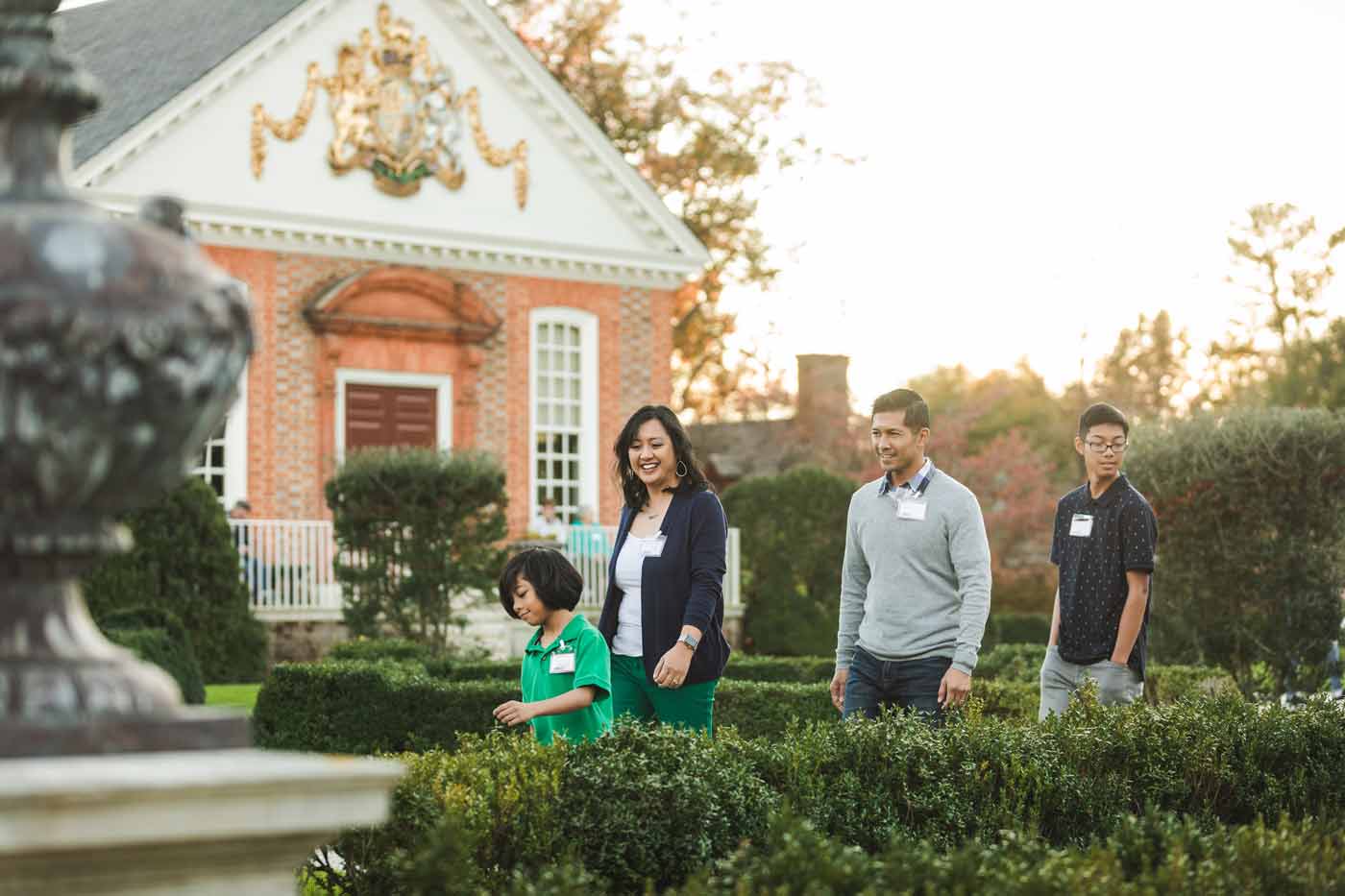
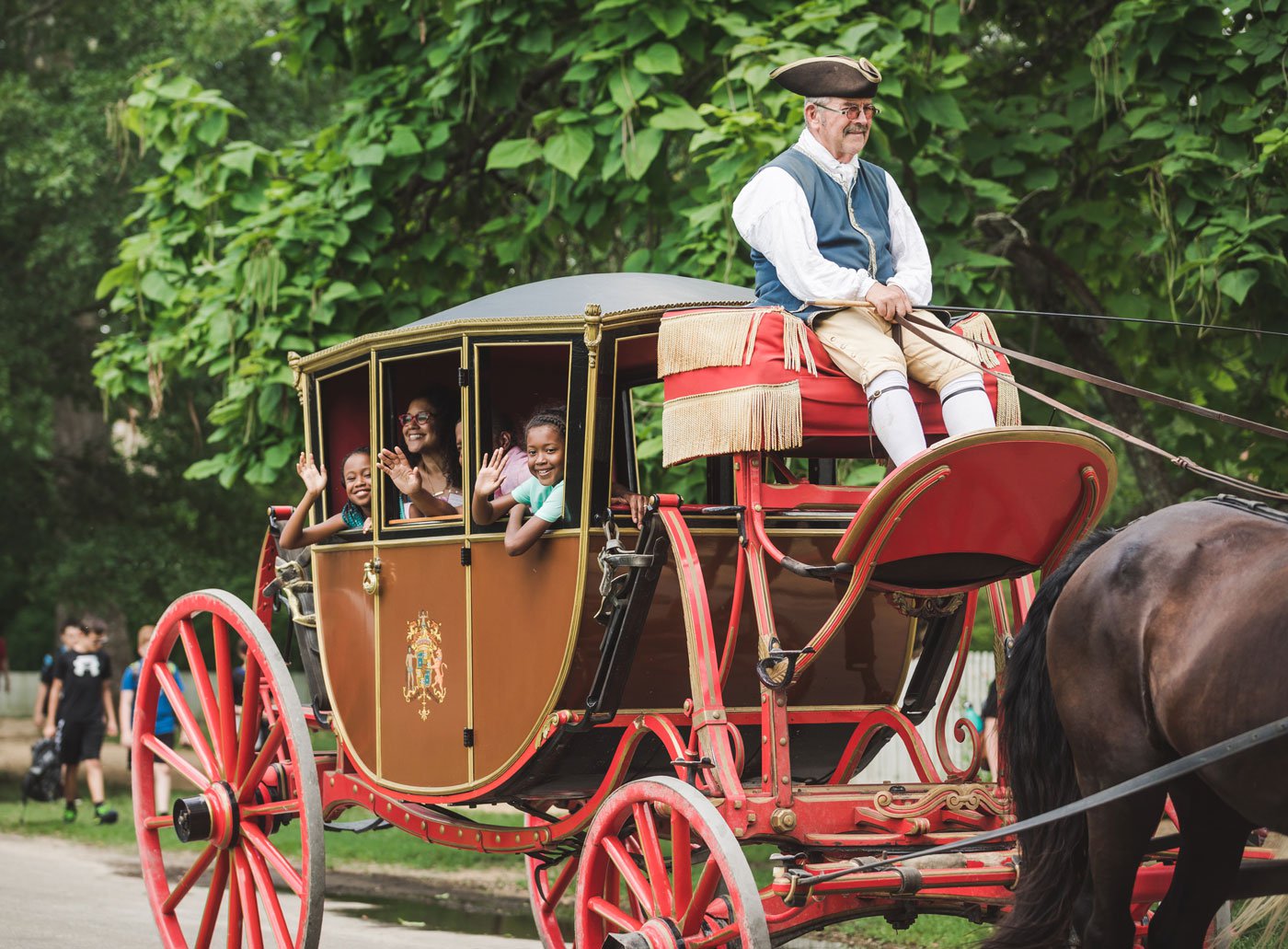
- Restored Sites (Colonial Williamsburg, Ellis Island, Spanish Missions, St. Augustine,
Old Town San Diego)
- Historic Walks (Freedom Trail in Boston, Oregon Trail, Concord Bridge)
- Museums (Smithsonian, Holocaust, Los Angeles, Washington D.C., National Archives)
- Almost every community has a site or museum that helps to explain the history of the
area. Have the students check with the teacher as to which ones would be
acceptable for this assignment.
EVALUATION/ASSESSMENT:
Upon completing their visitation, each student will be required to make an oral presentation
to the class. During the presentation it is expected that the student will:
- Describe the site or museum that they visited.
- Explain its historical significance.
- Indicate how the visit helped broaden their understanding of history and what they
had studied in class.
- Relate to the class what new information they acquired as a result of this experience.
- Use pictures, overheads, and other resources to accompany their oral presentations.
For additional guidelines as to how to make a worthwhile oral presentation
see Guidelines for an Oral Presentation. The report
is to be evaluated using the Oral Presentation Evaluation
Form.
CULMINATING ACTIVITY:
Throughout the year, as individual reports are given the other students in
the class are to keep a log on what they have learned from each of the presentations.
In this log they should include the information presented in response to the
questions in the Graphic Organizer: Getting Into History
as well as any other ideas they found interesting or worthwhile.
After all the reports have been presented have the students complete one of the following
assignments:
- Construct a picture book illustrating the major historical significance of the
museums or historic sites that had been featured by their classmates.
- Write an essay describing what new historical information was obtained from the class
presentations that added to subject matter dealt with in class.
- On a map locate the various museums and historic sites that had been identified and
include a brief description of the significance of each one.
- Any other assignment or activity that requires the students to synthesize information
obtained from the individual reports.

This lesson plan was developed by Janet Brooks, New York, William Fetsko,
Virginia, and Pete Pitard, California. If you have a lesson plan which you would like to share,
please send to Tab Broyles, School & Group Services, The Colonial Williamsburg Foundation,
PO Box 1776, Williamsburg, VA 23187.
© 1998 by the Colonial Williamsburg Foundation, Williamsburg, Virginia.

|  |