Page content
Special Gift Opportunities
Support a special project
Historic Area Exhibition Buildings and Gardens

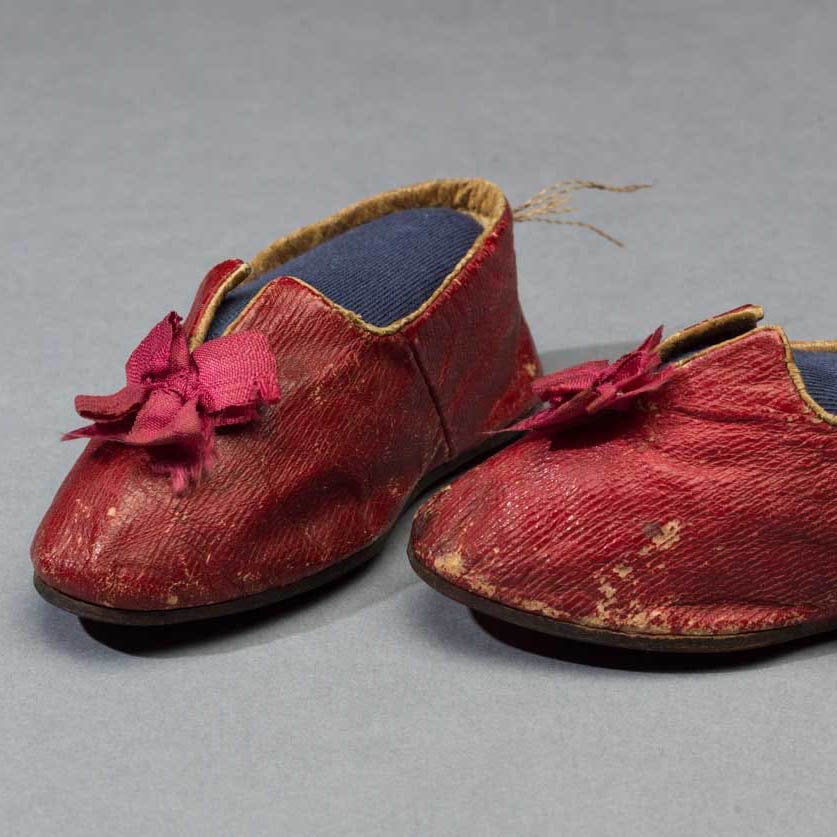
Historic Area Costuming Accessories
Funds needed: $5,000 for one year of eyewear expenses, $61,000 for one
year of shoe expenses
More than 800 Colonial Williamsburg employees work in costume in the Historic
Area, taverns, period stores, and in special programs. Keeping them well
attired is the responsibility of the Costume Design Center. Interpreters
wear reproduction 18th-century clothing and accessories. Accessories
include new and replacement eyewear and shoes; the goal is authenticity of
appearance. Eyeglasses were plain with round lenses and wire frames.
The Costume Design Center provides period-appropriate frames for interpreters’ prescription
lenses. Shoes cost approximately $125 a pair; some are made by Colonial Williamsburg,
while others are manufactured in England and the U.S. Shoe styles vary to reflect the different life
styles of 18th-century Williamsburg society.
Reproduction 18th-century Law Library at the Courthouse
Funds needed: $12,500 will underwrite 7-8 reproduction texts for Courthouse
display and for use as primary source materials for interpreters.
Colonial Williamsburg seeks to reproduce facsimile period books by purchasing
eighteenth-century law texts that the Master Bookbinder will bind to create
a Courthouse law library similar to those of Virginia gentlemen-lawyers Thomas
Jefferson, Patrick Henry, and others. The books will be displayed
in the courthouse and used as primary information sources by Courthouse interpretive
staff.
Garden
Endowments
Funds needed to endow one of these gardens: $200,000
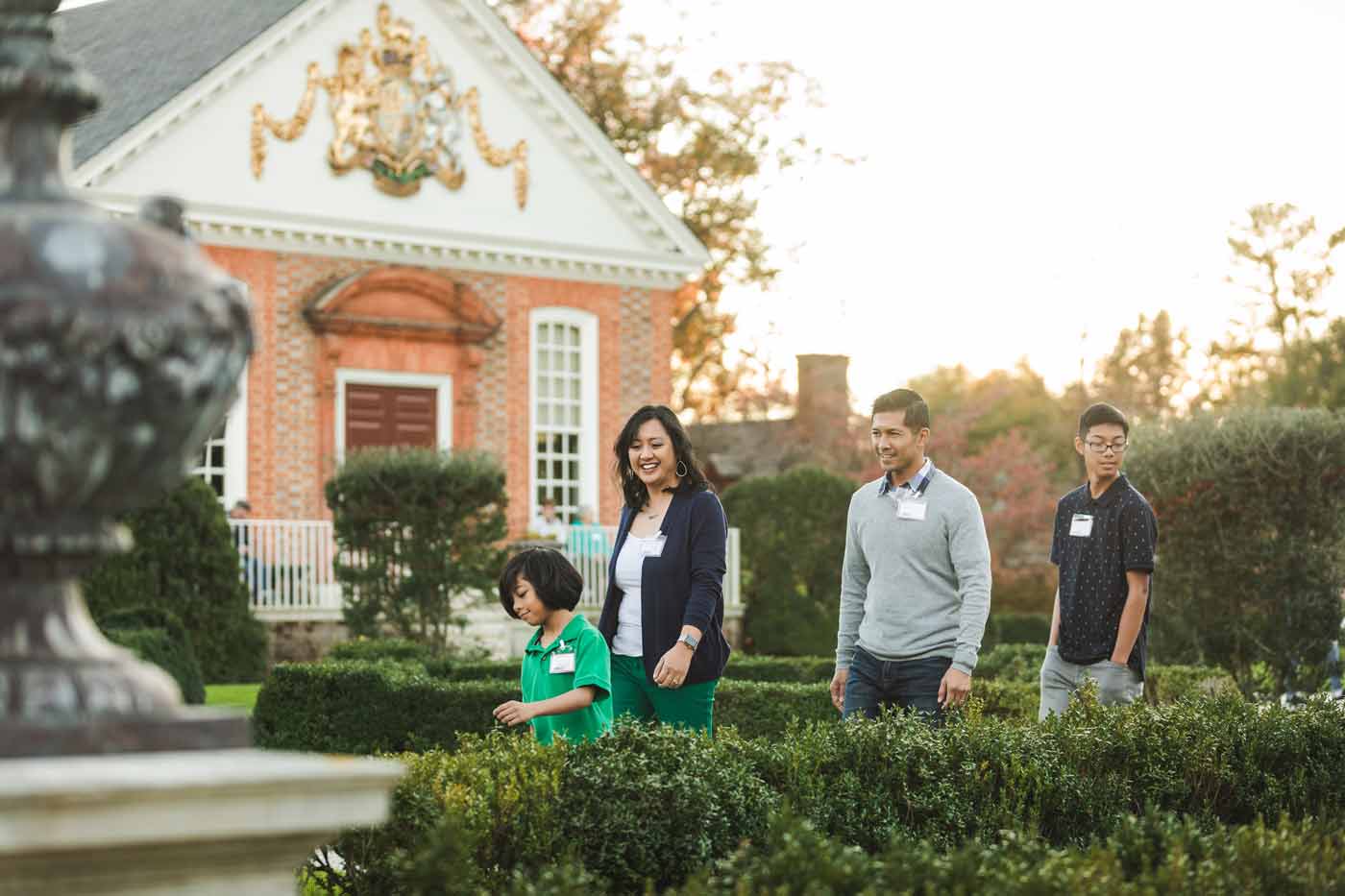
You can ensure that one of Colonial Williamsburg’s gardens continues
to delight guests for generations to come. Filled with the riotous color
of spring bulbs, the luxurious green of the summer months, or the blaze of
autumn leaves, Historic Area gardens are beautiful works of art as well as
illustrations of an important facet of 18th-century life. An endowment
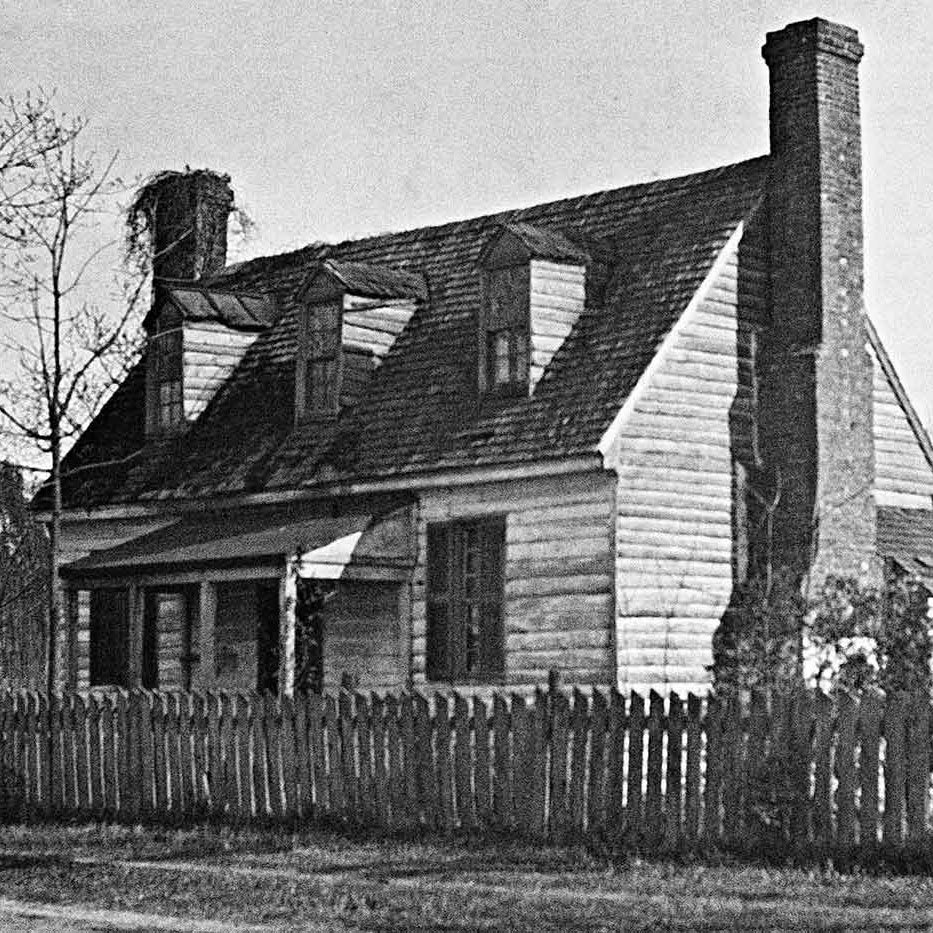
for the gardens at the the James Geddy House (pictured)
or the Thomas Everard House will maintain your chosen garden at its present
level in perpetuity.
Historic Area Planned Preservation
Colonial Williamsburg’s mission to preserve and conserve its historical
and reconstructed structures is a complex, ongoing process. Two projects that
are part of the Masonry Preservation Initiative are highlighted below. The Masonry
Preservation Initiative aims to replace brick and stone elements of more than
40 Historic Area structures that are at risk and to take steps to stabilize and
repair the damage. The masonry preservation work will be undertaken by Colonial
Williamsburg maintenance masons and Historic Trades brick makers.
Re-pointing and Brick Repair at the Courthouse
Funds needed for Courthouse conservation: $16,000
Like all materials, masonry is subject to deterioration over time. Several
areas at the Courthouse are in need of repair, requiring specific materials and
skill sets to complete the work. Colonial Williamsburg Historic Trades
and maintenance department employees will undertake this work, which will help
preserve the original 1770s masonry.
Conservation of Early Grave Stones throughout the Historic Area
Funds needed for grave stone conservation work: $30,000
A total of six family cemeteries lie within the boundaries of Colonial Williamsburg. With
over sixty markers and monuments dating from 1823 to 1992, these sites represent
the families and residents who inhabited Williamsburg. Due to the impact
of time and the environment, the cemeteries are in need of preservation and
stabilization work.
Historic Trades
Historic Trades Summer Internships
Funds needed for 4 summer interns: $20,000
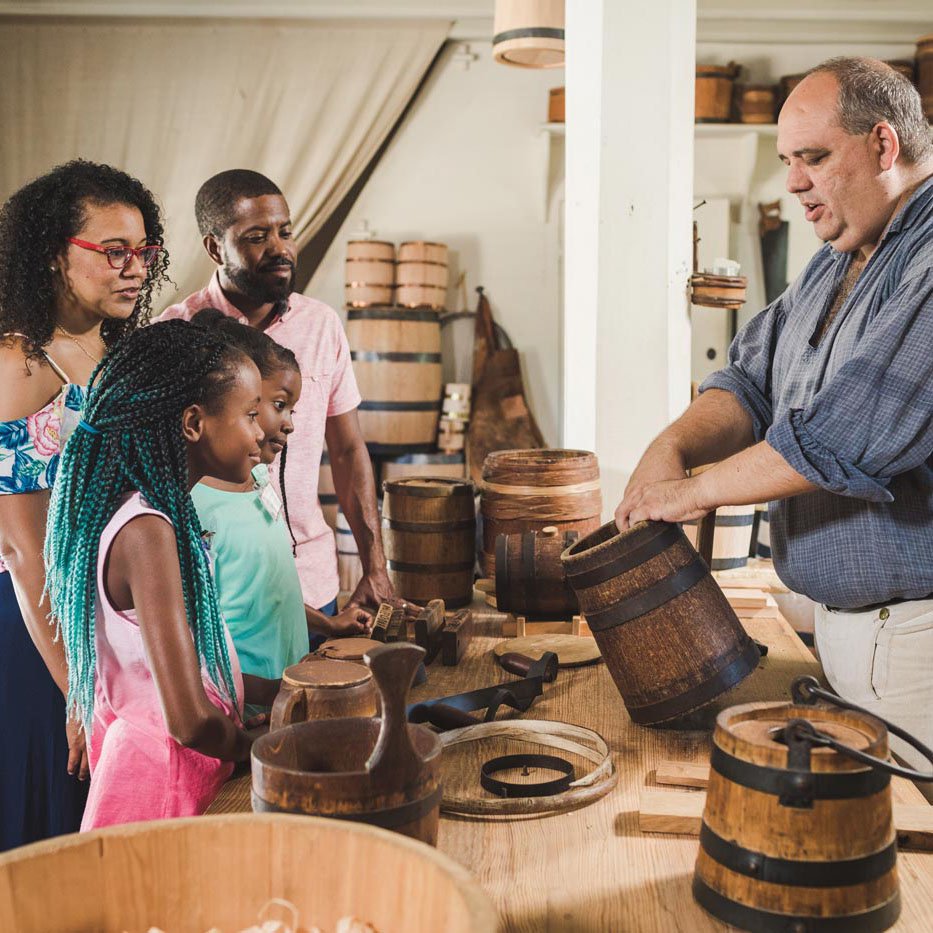
Colonial Williamsburg’s Historic Trades program, begun in1936, has
evolved to become the largest and most diverse museum-operated trades program
in the world and one of the most historically accurate, with a strong emphasis
on hands-on practice and documentary research. Colonial Williamsburg
currently operates 30 trades at 22 trade sites. Tradesmen and women represent
the skills, ingenuity, and dedication to excellence on which American society
and our economy were built. Funds will provide individuals with three-month
experiences to learn about the trade(s), develop skills, gain
public contact and service experience, and acquire insights about museum
and living history careers.
18th-century Type for the Print Shop
A gift of $5,000 will purchase type for reprinting special
booklet; other gifts of any size are welcome for purchasing type to have
on hand for future printing projects.
Historic Trades printers use traditional lead-based type to print reproduction
documents on their 18th-century-style press. With use, the type wears out,
requiring its replacement. While once a common material, this type is
no longer used commercially, and Colonial Williamsburg has only one source, Quaker
City Type Foundry in Pennsylvania, to supply us. While it is still available,
Colonial Williamsburg hopes to acquire as much type as possible. A recent
reprint, William Rind’s The
Examination of Doctor Benjamin Franklin, Before an August Assembly, Relating
to the Repeal of the Stamp-Act, &c., has significance
for the newly reconstructed Richard Charlton’s Coffeehouse, which opened
near the Capitol in November 2009.
Historic Area Programming
Nation Builders
Your support funds program development and the training and costuming of
Nation Builders. Gifts of any size are welcome.
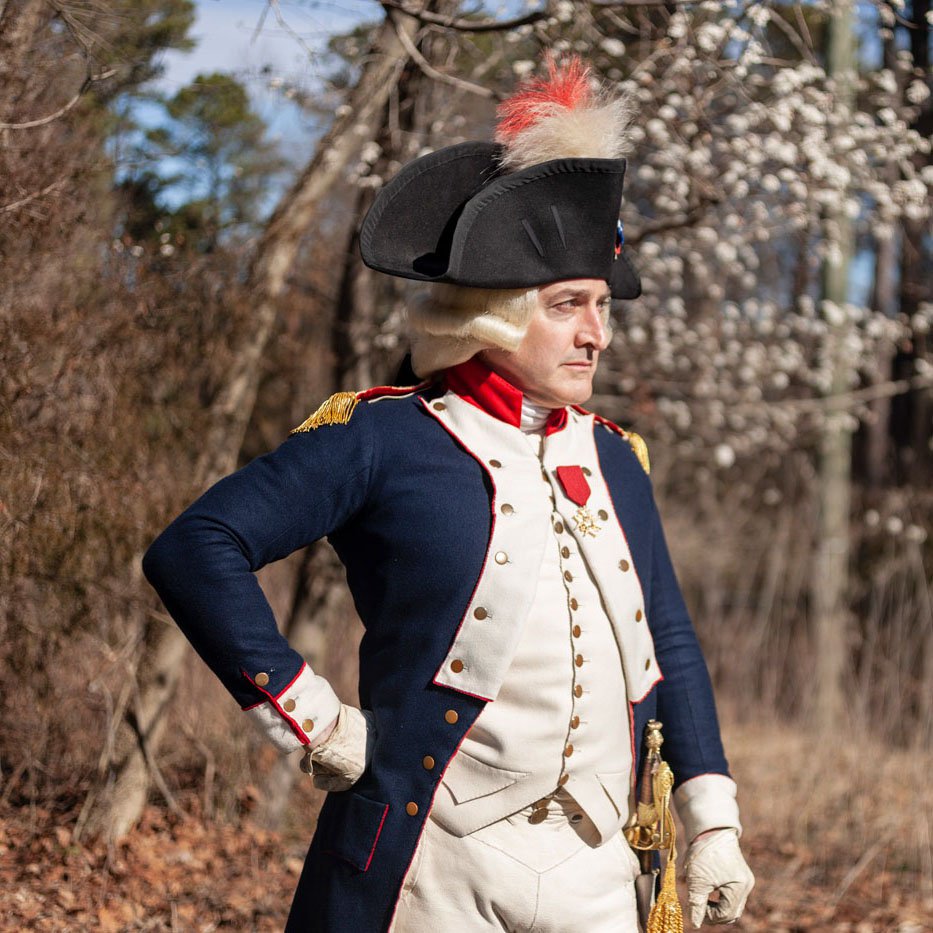
An extraordinary group of men and women set the compass for America’s resistance
to Great Britain and its fight for independence. To tell their story, Colonial
Williamsburg has formed a group of talented interpreters called Nation
Builders. Leading patriots like Thomas Jefferson, Patrick
Henry, and George Washington are joined by less known free and enslaved people
who helped to shape the course of events that led to the Revolution and a new
republican order. Men and women of different classes, races, and talents
gave birth to America. Colonial Williamsburg’s Nation
Builders convey the message that now, as at the time of the Revolution,
every American citizen needs to be involved in the task of building and sustaining
our nation.
Revolutionary City®
Your
support funds ongoing story development and the training and costuming of
the actor/interpreters. Gifts of any
size are welcome.
Revolutionary City, Colonial Williamsburg’s award-winning interactive
street theater, opened its fifth season in March 2010. A tense re-enactment
of a confrontation near Charlton’s Coffeehouse
over the despised Stamp Act of 1765, “The Next Disagreeable Thing,” is
the new opening scene in “Revolutionary City: Collapse of Royal government,
1765-1776.” Offered three times a week, “Collapse of Royal Government,"
chronicles growing outrage as colonists turn against their king, and revolutionary
ideas ultimately compel residents to choose between monarchy and self-government.
The companion episode on alternate days, “Citizens at War, 1776-1781,” reveals
the human dramas of war-torn Williamsburg.
American Indian Initiative
A gift of $25,000 will help support the activities of the American
Indian Initiative.
American Indians played a critical role in colonial British America and
in the formation of the United States. The American Indian Initiative
offers programming, activities, and projects that depict the Native American
presence in Williamsburg on the eve of the American Revolution. Colonial
Williamsburg has forged partnerships with American Indian communities,
Native-focused institutions, scholars, and individuals and sought their
input on cultural relevancy, accuracy, and period-appropriateness for programs. Programs
include “So Far From Scioto” discussed below; an Electronic
Field Trip, “Emissaries of Peace,” in partnership with the
Museum of the Cherokee Indian; annual Historic Area performances by Cherokee
delegations; and an American Indian lecture series presenting prominent
academics and tribal experts from a variety of disciplines.
So
Far from Scioto
Your gift of $30,000 will support production costs.
This well-received production, showcasing Indian reaction to the winds
of war blowing through Virginia, debuted in 2009. Offered for three
weeks in the spring and fall with an all-Native American cast, the story
features young Shawnee emissaries brought to Williamsburg as part of a
peace bond in 1774. Visitors witness the Shawnees’ response
to the tumultuous events of the following year as they consider whether
to stay or return to their own lands.
Colonial Williamsburg Re-enactment Weekends Under the Redcoat: British Army’s Occupation of Williamsburg near the End of the Revolution
Funds needed to support 2011 re-enactment weekend: $15,000
Colonial Williamsburg draws hundreds of re-enactors to an annual 3-day weekend with British soldiers under General Cornwallis occupying Williamsburg in 1781 prior to the battle of Yorktown, the last major encounter of the American Revolution. Encamped in tents on Palace Green and near the Courthouse, British soldiers patrol the streets, keeping the patriot citizenry in line and illustrating the restrictions on personal freedom that accompanied the occupation. They perform military drills and replace the American flag at the Capitol with the Union Jack. Women camp followers demonstrate how they supported the troops by nursing, teaching, mending, sewing, and cooking for the officers.
Prelude to Victory: American and French Troops Preparing for the
Siege of Yorktown during the Final Days of the American Revolution
Funds needed to support 2011 re-enactment weekend: $15,000
Prelude to Victory is a three-day weekend that attracts hundreds
of re-enactors portraying members of the Continental Army. With Colonial
Williamsburg interpreters, the re-enactors help visitors understand the Continental
Army’s late September 1781 preparations
for the siege of Yorktown, under the command of General George Washington. Special
programs include a re-created military field hospital at the Governor’s
Palace, the court-martial of a soldier accused of attacking and mortally
wounding his commanding officer, and a supply sergeant who faces the realities
of few supplies and less money. The weekend also includes parades,
military music, and lively demonstrations of military tactics and weaponry.
John D. Rockefeller, Jr. Library/Research
Research Fellowships
Funds needed: $100,000
The John D. Rockefeller, Jr. Library has established a thriving program that
brings scholars from all over the country to make use of its collections. Based
on that success, an endowment is being created to support up to ten fellows
annually whose work focuses on the colonial period, the American Revolution,
and the early republic.
Documents
of Freedom Fund
Funds requested: $10,000 or more for an endowment fund
The
collection of the John D. Rockefeller, Jr. Library includes rare items of
great significance to the American Revolution in Williamsburg and Virginia—among
them a copy of William Stone’s 1823 facsimile of the Declaration of Independence;
a collection of autographs of the signers of the Declaration; published works
relating to the debate over American rights; and an original manuscript of
Patrick Henry’s 1765 Stamp Act Resolves. These materials are of
inestimable value in illustrating the importance of what took place in Virginia
and America from the 1760s to the 1780s. During this crucial period,
ideas were articulated that justified resistance to the British Crown, and
a shift in colonists’ thinking transpired that ultimately led to the
creation of the new republic. By creating an endowment fund, Colonial
Williamsburg aims to strengthen this special collection by acquiring additional
rare books, manuscripts, letters, newspapers, treatises, broadsides, diaries,
declarations of rights, state constitutions, and other documents that illuminate
British and American views during this formative period in America’s
history. With
funds on hand, Colonial Williamsburg will be able to respond quickly when a
document
becomes available.
Collections, Conservation, and Museums
Style, Function and Price: Buying Furniture in Early America
Funds needed: $120,000
This exhibition opening in 2011 will showcase Colonial Williamsburg’s
world-class collection of 18th-century furniture. The exhibit will allow
visitors to pose as colonial consumers, exploring furniture style, construction,
decoration, and price. Audio/video tours will permit guests to delve
more deeply into these topics at their own pace. The National Endowment
for the Arts has provided a $30,000 grant for the exhibit, but Colonial Williamsburg
seeks additional funding to design and mount the exhibition.
Conservation Equipment: A Laser Cleaning System
Funds needed to acquire this equipment: $35,000
Surgical lasers have become a valuable addition to the conservator’s
toolbox for cleaning surfaces of historic and art object such as artifacts,
sculptures, and monuments. Unlike more traditional cleaning methods,
lasers preserve patina, fine surface detail, and surface coatings. Colonial
Williamsburg hopes to acquire a Lynton “Compact Phoenix” Conservation
Laser Cleaning system, a small handheld laser connected to a desktop power
supply. A laser cleaner will be useful for many conservators; in the
objects lab, for example, it will easily remove staining from ceramic objects. Our
architectural conservator will be able to safely and quickly clean stone and
brick steps and other architectural stonework in the Historic Area.
Conservation Equipment: Two S. S. White Co. Model 6500 Air Abrasive Units
Funds needed for purchase: $ 7,300
Air abrasion, the removal of corrosion products and soil using compressed air
and abrasive powders, is an important, time-consuming process for treating
archaeological iron. Often soil and corrosion covering an object are
so voluminous that its identity is hard to detect prior to treatment. Air
abrasion is more gentle than other techniques that remove corrosion; it allows
conservators to work carefully around intricate details, fragile areas, and
otherwise ephemeral surface coatings. Adding two new air abrasion
units to the archaeological conservation lab’s equipment will allow staff
to treat more materials, mitigate downtime for periodic servicing, and provide
more opportunities for students to learn conservation techniques.
Educational Outreach
Teacher
Institute Scholarships:
A gift
of $1,900 plus transportation assistance will give
one teacher the opportunity to attend the Colonial Williamsburg Teacher Institute,
a week-long professional development program that immerses teachers in early
American history. Lodging, meals, and a wealth of instructional materials
are included. To date, more than 6,600 educators
have completed the program, returning to their classrooms better prepared to
teach American history and citizenship.
Teaching American History Conferences
With a gift of $30,000, you can provide up to 75 teachers in your favorite
school district with an opportunity to increase their history knowledge and
acquire exciting lesson plans and classroom resources.
Colonial Williamsburg offers living history experiences to teachers in their
school districts. In one- or two-day American history workshops around
the country, teachers explore historical content, analyze primary sources,
participate in simulations, and role play with Colonial Williamsburg’s
educators and character interpreters. Each conference supports interdisciplinary
studies and helps teachers meet academic-content standards and learn innovative
teaching strategies. Teachers receive lesson plans, facsimile primary sources,
reproduction artifacts, and one live Colonial Williamsburg Electronic Field Trip
broadcast to their classrooms.
Special
Opportunity for Parents and Grandparents: Electronic Field Trips Make History
Come Alive!A gift of $500 provides your local school or another deserving school with the seven-program series offered during the school year.
Colonial Williamsburg’s annual series of Electronic Field Trips inspires students in grades 4-8 with the stories, people, and events that created the American nation. Designed to engage and inform, these nationally broadcast programs allow participants to ask on-the-air questions of Colonial Williamsburg interpreters, historians, and educators and to interact with other students through Web sites that include projects, interactive Web adventures, primary source documents, and electronic bulletin boards. Registration also includes teachers’ guides with pre- and post-broadcast lesson plans.
Bringing Colonial Williamsburg to You: Podcasts/Vodcasts
Funds needed for a year of weekly podcasts: $20,000; gifts of any
size welcome.
Visitors to Colonial Williamsburg’s Web site can
sample the 18th and 21st centuries by downloading
podcasts,
15-minute audio programs. Using podcast software, such as iTunes or iPodder,
podcasts (audio interviews) and vodcasts (video interviews) are downloadable
at the listener’s convenience and played on a computer or portable
media player. Behind-the-scene interviews with historical interpreters, archaeologists,
musicians, tradesmen, curators, chefs, researchers, and scholars are conversational
and informative. Guests share insights
about their work to preserve and interpret18th-century American history
and bring it to a modern audience.
General Support
Unrestricted Endowment - Recognition on Donor Plaque at the Visitor
Center
Funds needed to establish a named endowment: $100,000
One of the most valuable ways to support the Colonial Williamsburg Foundation
is through the establishment of an unrestricted endowment. Your fund
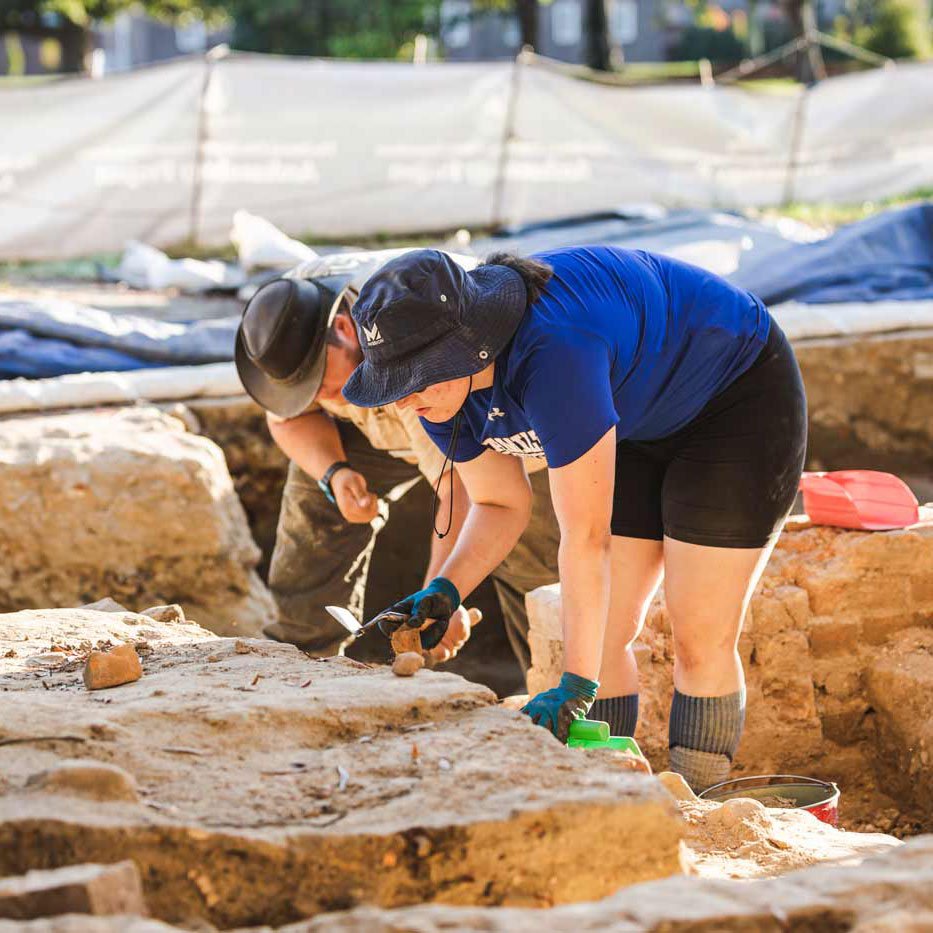
will help with the restoration and conservation of historic buildings, archaeology,
innovative programming, museums, educational outreach, costumes for interpreters,
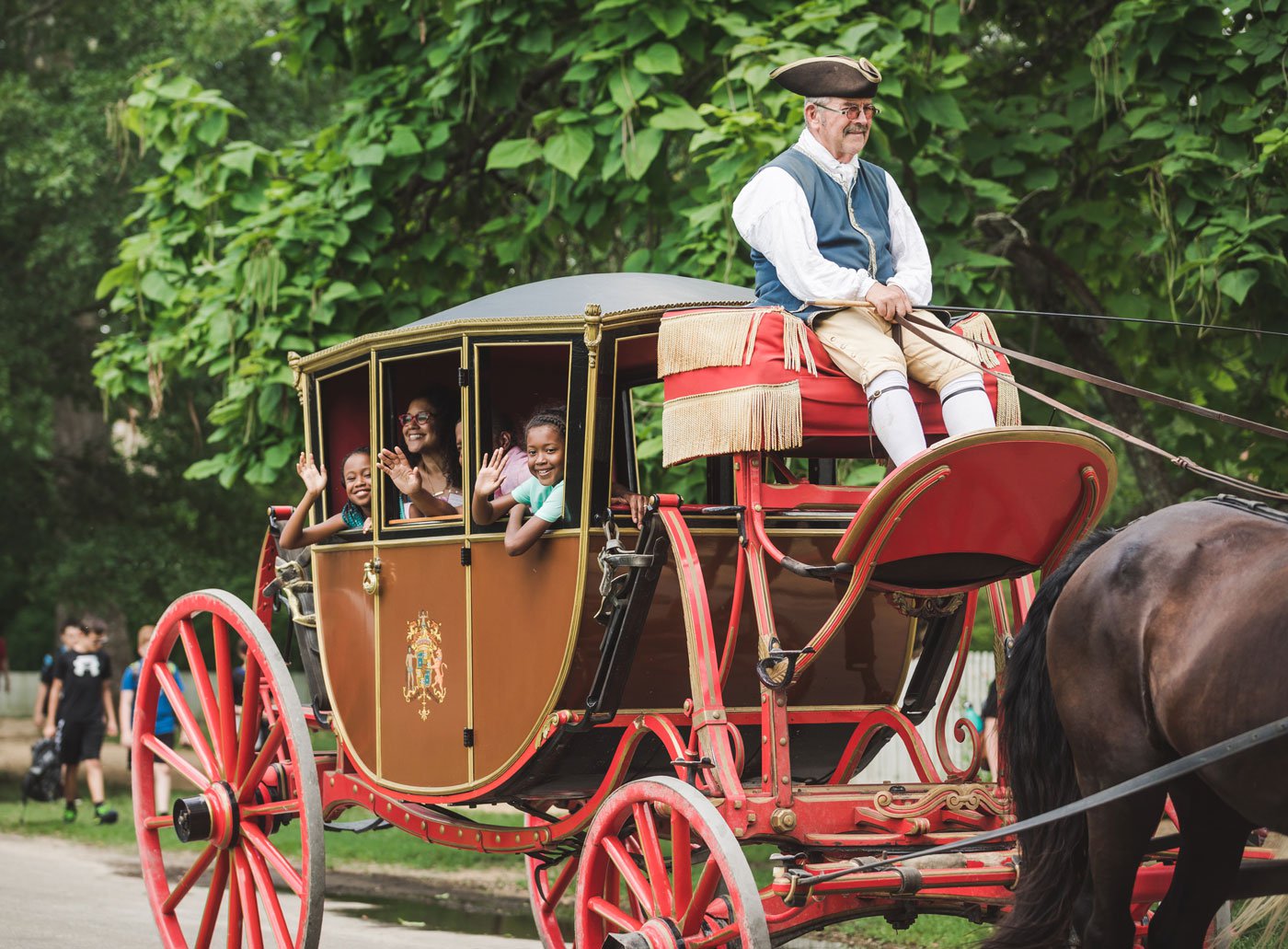
carriages, preservation of rare animal breeds – in short, everything
that Colonial Williamsburg does. If a particular aspect of Colonial Williamsburg’s
mission appeals to you, it is also possible to establish a restricted endowment
for that specific purpose. Endowment gifts are recognized on the Visitor
Center donor plaque and in Colonial Williamsburg’s annual report.
Kimball Theatre Programming Endowment Fund
Funding minimum for plaque recognition: $5,000
The Kimball Theatre offers excellent entertainment seven days a week. A first-rate
movie house for more than six decades, the theater has become a favorite venue
for Williamsburg’s artistic, educational, religious, and cultural events. Founding
and sustaining benefactors are publicly recognized on permanent plaques in the
theater’s lobby.
To make a special gift to Colonial Williamsburg, call 1-888-CWF-1776 or email gifts@cwf.org.
Matching Gifts Make Your Donation Go Further
If your company has a matching gift program, your donation to Colonial Williamsburg
may be doubled or even tripled. Find
out if Colonial Williamsburg qualifies for your company’s matching
gift program