Page content
Reset text sizeResize text larger

Media Calendar


February

Black History Month

During the 18th century, Virginia was home to a large population of people of African descent. Enslaved people were considered chattel, while free blacks were disenfranchised from the political process. Throughout the month, special programs offered in the Historic Area and the DeWitt Wallace Decorative Arts Museum explore various stories of the people and culture. Colonial black Virginians struggled to become recognized as Americans, but their active efforts in seeking freedom and equality serve as a model of citizenship. Join us on this journey to explore the story of a people who challenged the political and societal norms to affect a better future for themselves and the next generation. For more information, call 1-800-HISTORY.

February 16

When Freedom Came (premiere)
Electronic Field Trip (broadcasts at 10 a.m. and 1 p.m., EST)

Everyone knows Abraham Lincoln freed all the slaves - or did he? Freedom came to enslaved people over the course of many months and years - and it arrived in different ways in different places. Students discover how enslaved Americans made everyday choices during the Civil War that helped bring about their freedom. This dramatic and compelling learning experience enhances history and social studies curricula while supporting national and state Standards of Learning. The program takes place at 10 a.m. and 1 p.m., EST, in the Bruton Heights School Lane Auditorium and is free and open to the public. The award-winning live, interactive television series is also available nationally on many PBS stations. For information, call toll-free 1-800-761-8331 or visit www.history.org/trips.

February 18

DeWitt Wallace Decorative Arts Museum
Richard Newsham's Fire Engine

This display explores fire and fire fighting in the 18th century with the display of an original fire engine built in the mid-18th century and on view for the first time. Initially granted a patent on December 26, 1721, Richard Newsham's "new water engine for quenching and extinguishing fires" became the clear choice for anyone in England or America who was serious about combating the flames. So effective were Newsham's engines that some were used for more than a century. This exhibition is made possible by the Ambrose and Ida Frederickson Foundation. For more information, call (757) 220-7724.

February 19-23

64th Antiques Forum
"Freshest Advices": Recent Discoveries in American Decorative Arts

Research into the material world of early Americans is going forward at a rapid pace. Despite more than a century of intensive study, decorative arts historians continue to make new and exciting discoveries on a regular basis. Participants learn about the latest breakthroughs from the experts themselves at the 64th annual Colonial Williamsburg Antiques Forum, "Freshest Advices": Recent Discoveries in American Decorative Arts. The 2012 forum features a host of respected authorities on the extraordinary furniture, silver, textiles, paintings and ceramics that were produced in or for colonial and Federal America. More than 20 curators, collectors and historians will impart their findings through a series of fully illustrated lectures and video-assisted workshops. Scheduled speakers include Wendy Cooper, Winterthur's senior curator of furniture, and Old Salem vice president and chief curator Robert Leath. In addition to the formal program, guests may register for optional hands-on workshops with the Colonial Williamsburg collections and tours of private historic homes in the region. For more information, contact the conference registrar at (757) 220-7255 or toll-free at (800) 603-0948, online at www.history.org/conted or e-mail dchapman@cwf.org.

February 18-19

Presidents Day Weekend

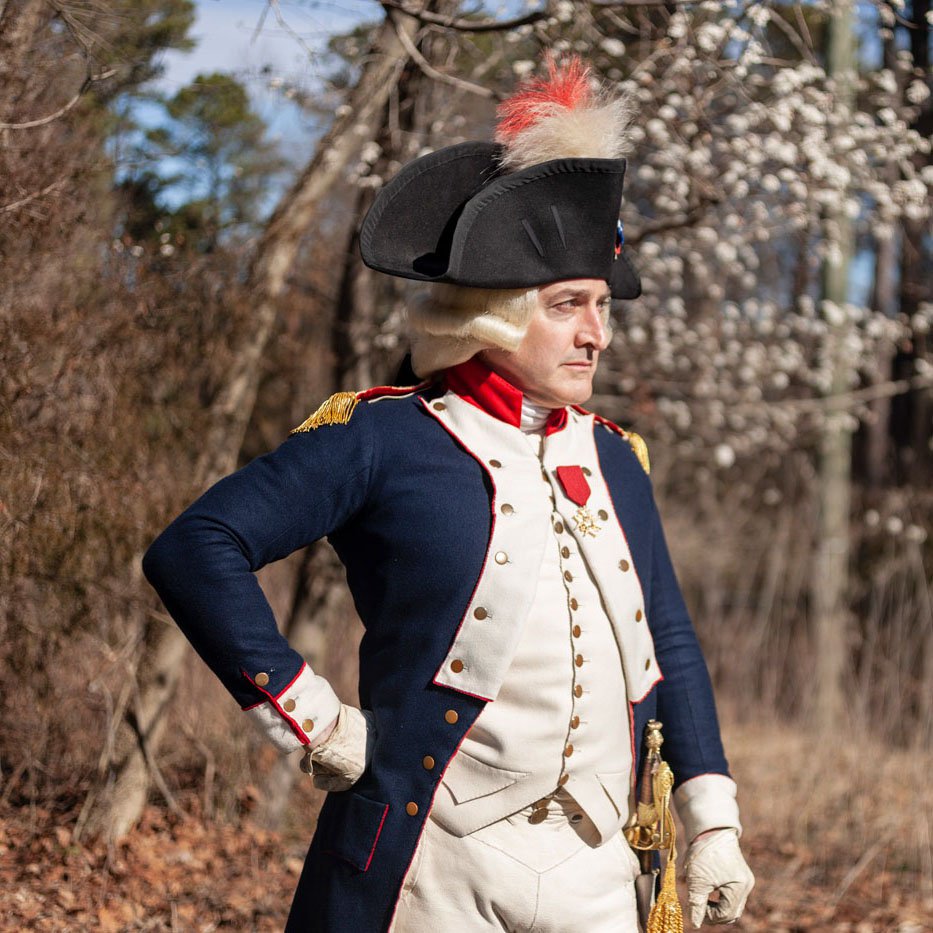
Presidents George Washington, Thomas Jefferson and James Madison were shaped by their experiences in Williamsburg and the roles that each played in momentous events that occurred in the capital city. Throughout the weekend special programs offered in the Historic Area, at the Kimball Theatre and the DeWitt Wallace Decorative Arts Museum highlight the actions and experiences of these three Virginians who all served as president of the United States of America. All three are portrayed along with several of their contemporaries such as Patrick Henry and the Marquis de Lafayette. For more information, call 1-800-HISTORY.

February 24-26

More than Slaves

Colonial Williamsburg commemorates Black History Month 2012 with a weekend of programming that illustrates the universal story of people actively seeking political, economic and social change. African Virginians were aware that they were excluded from the rights and privileges afforded to the ruling class and race. Many became more active in seeking freedom, sometimes under dire circumstances. Weekend programs illustrate the numerous ways these agents of change challenged the political and societal norms to affect a better future for themselves and the next generation. Colonial Williamsburg seeks to inspire guests to be as proactive in contemporary issues as these oppressed people of the past were. For more information, call 1-800-HISTORY.

Jump to Top
 

March

Women's History Month

Colonial Williamsburg celebrates the contributions of 18th-century women to the history of our nation with programs throughout the month of March. Scenes, tours, programs and special presentations explore the various roles that our foremothers filled in birthing a new nation. For more information, call 1-800-HISTORY.

March 15

Remember the Ladies
Electronic Field Trip (broadcasts at 10 a.m. and 1 p.m., EST)

In 1776, Abigail Adams requested that her husband, future president John Adams, "remember the ladies" when establishing the government and laws of the new nation. Students examine the roles, responsibilities and daily activities of early American women. This dramatic and compelling learning experience enhances history and social studies curricula while supporting national and state Standards of Learning. The program takes place at 10 a.m. and 1 p.m., EST, in the Bruton Heights School Lane Auditorium and is free and open to the public. The award-winning live, interactive television series is also available nationally on many PBS stations. For information, call toll-free 1-800-761-8331 or visit www.history.org/trips.

March 17-18

Spring Military Invitational Tournament
Golden Horseshoe Golf Club

The first round of 18 holes will be Captain's Choice on the Green Course. The second round of 18 holes will be four ball (two person, best ball) on the Gold Course. Gross scores will be used for both rounds of golf. Flight will be determined on the basis of first rounds of golf. Flights will be determined on the basis of first round scores. Handicaps will be used to determine first round pairings. To be eligible for competition, one player must be active duty, retired or reserve military, or National Guard member. For information, call (757) 220-7696.

March 18-20

Good Spirits: Alcoholic Beverages of the Eighteenth Century

Break out the punch bowl and heat up the flip iron at Colonial Williamsburg's next foodways symposium, "Good Spirits: Alcoholic Beverages in the 18th Century." Join the Foundation's Historic Foodways staff and some of today's top scholars and authors from England, Canada and America as they explore the beer, wine and strong drink of the 18th century. They will examine the manufacture, trade, service and consumption of the most popular beverages of the period and delve into how every level of society had their favorites. Learn about some of 1the Colonial barman's more bizarre concoctions and sample some of their best. Peter Brown, the noted English food historian, will set the tone with a presentation. Speakers will talk about beer, cider and perry, fortified wines, punch and the variety of glasses, bowls and other paraphernalia of serious drinking. A segment of the conference will focus on the use of alcohol in cooking—both then and now, and culminate with a special version of the Williamsburg Lodge's Wine, Wit, and Wisdom. Along the way, there will be more tastings and samples. For more information, contact the conference registrar at (757) 220-7255 or toll-free at (800) 603-0948, online at www.history.org/conted or e-mail dchapman@cwf.org.

March 25

Slavery: A Day of Remembrance

For over 30 years, Colonial Williamsburg has presented the compelling story of the enslaved and free blacks that represented 52 percent of Williamsburg's population during the American Revolution. In observance of the United Nations' International Day of Remembrance of the Victims of Slavery and the Transatlantic Slave Trade, Colonial Williamsburg's Equiano Forum sponsors an event that honors the lives of those who died as a result of slavery or experienced the horrors of the transatlantic slave trade. Commemorative programs explore the diverse experiences of people of African ancestry and their contributions. Guests are encouraged to reflect on the dangers associated with slavery, racism and prejudice. For more information, call 1-800-HISTORY.

Jump to Top
 

April

Religion Month

During the month of April, Colonial Williamsburg explores the role of religion in the making of the American identity. Prior to the 1786 ratification of Thomas Jefferson's Statute for Religious Freedom, the Church of England (or the Episcopal Church) was the official religion of Virginia. However, as the population grew more ethnically and religiously diverse, members of differing religions and ideals began to challenge the old order culturally and politically. As many Virginians responded to the appeal of evangelical faith and the tolerant ideals of the Enlightenment, they moved away from the idea of a single authoritarian church protected by the state and started to lean toward the concept of religion disassociated from government. The personal appeal of evangelical faith and the ideals of the Enlightenment helped to create an environment in which democratic ideals flourished. Evangelical Christianity's message of equality before God merged with Old Testament images of deliverance also gave many enslaved people a renewed strength for resisting and coping with enslavement. Colonial Williamsburg will feature a variety of programming that highlights the presence of religion in 18th-century society and exhibits how it figured into government policy, political debate, cultural adaptations, and revolutionary thought. Each of this month's programs allows guests to discover how religion factored into the overall question of American identity during the American Revolution. Guests are also encouraged to reflect on whether the values associated with religious faith are still important in twenty-first-century America as well as the opportunity to consider what role religion might play in their own lives, personally, and in the lives of the nation. For more information, call 1-800-HISTORY.

April 7

DeWitt Wallace Decorative Arts Museum
Tall Case Clocks

This exhibition features more than 20 clocks from the Colonial Williamsburg collection. The dual importance of a clock's monetary value and family importance have made them the ideal object to be passed down through generations as family heirlooms. This exhibit will explore the clock mechanism and wooden casework, the history of the form, the trade practices of the makers, ownership and cost, and showcase a group of Southern clocks. For more information, call (757) 220-7724.

April 7-28

So Far From Scioto and War Party

Performed by an all-Native cast, "So Far From Scioto" chronicles the story of Shawnee emissaries brought to Williamsburg in 1774 as security to ensure compliance with a peace agreement that ended Lord Dunmore's War in the Ohio Country. "War Party" continues the saga in 1778 as the American Revolution spills over into the Shawnee homeland. Follow the unfolding drama during this special seasonal performance offered at the Governor's Palace and Coffeehouse. For more information, call 1-800-HISTORY.

April 15-16

66th Annual Garden Symposium
Beautiful Gardens: Bountiful Options

Whether you garden for beauty or for food production, there will be plenty of "food for thought" at Colonial Williamsburg's 66th Garden Symposium. Guest speakers and Colonial Williamsburg landscape staff will offer a bounty of tips and ideas to make the best use of your time and space. Join us and discover alternative plant choices and techniques that will help you grow gardens that are beautiful and productive. For more information, contact the conference registrar at (757) 220-7255 or toll-free at 1-800-603-0948, online at www.history.org/conted or e-mail dchapman@cwf.org.

April 19

The Rights of Youth
Electronic Field Trip (broadcasts at 10 a.m. and 1 p.m., EST)

Imprisonment, whipping, forced transportation and even death were some of the punishments to which courts sentenced children in the 18th century. Students witness how justice was administered at a time when criminal laws and sentencing guidelines made few or no exception for children. This dramatic and compelling learning experience enhances history and social studies curricula while supporting national and state Standards of Learning. The program takes place at 10 a.m. and 1 p.m., EST, in the Bruton Heights School Lane Auditorium and is free and open to the public. The award-winning live, interactive television series is also available nationally on many PBS stations. For information, call toll-free 1-800-761-8331 or visit www.history.org/trips.

Jump to Top
 

May

Quilts in the Baltimore Manner
Abby Aldrich Rockefeller Folk Art Museum

The quilts of Baltimore, Md., are noted for their strong design, excellent craftsmanship and brilliant colors. The designs of Baltimore influenced the wider community of quilters, including areas beyond Baltimore, such as Northern Virginia. This exhibit features 12 quilts from Baltimore and surrounding areas, dating from the 1820s through the 1860s. For more information, call (757) 220-7724.

May 28

Memorial Day Commemorative Program

The Colonial Williamsburg Foundation presents a modern service honoring military veterans who died while serving their country. Wreaths will be placed at the Palace, Bruton Parish Church and the French Grave site to honor those interred in or near those sites from the American Revolution and the War Between the States. A procession with Fife and Drum support will begin at the Palace and proceed to the aforementioned sites. Prayers will be given and musket volleys fired at the Palace and Churchyard; a brief commemorative service with musket and cannon volleys will take place at the French grave site. The French grave site is the only location where cannon will be fired. For more information, call 1-800-HISTORY.


Visit our online calendar for more information about upcoming events.


Footer