>
Colonial Williamsburg®

History.org: The Colonial Williamsburg Foundation's Official History and Citizenship Website

You are viewing our regular site | View a mobile version. Hide this x

Page content
Reset text sizeResize text larger

Current Exhibits
at the DeWitt Wallace Decorative Arts Museum


Threads of Feeling

Threads of Feeling

Discover the stories told by simple scraps of fabric - tokens left to identify the babies at London's Foundling Hospital.

When mothers left babies at London’s Foundling Hospital in the mid-18th century, the Hospital often retained a small token as a means of identification, usually a piece of fabric. Each scrap of material reflects the life of a single infant and that of its absent parent.

Organized by the Foundling Museum and curated by John Styles, this will be the only American venue for this exhibition.

The token-filled billet books are owned and lent by leading UK children’s charity Coram, which began as the Foundling Hospital, with the assistance of the City of London, London Metropolitan Archives.

The Colonial Williamsburg exhibition of Threads of Feeling is supported in part by a grant from Mary and Clint Gilliland of Menlo Park, California, through the Turner-Gilliland Family Fund of the Silicon Valley Community Foundation. May 25, 2013 through May 26, 2014

Learn more about the Symposium: Threads of Feeling Unraveled: The London Foundling Hospital's Textile Tokens, October 20-22.


Richard Newshams Fire Engine

Richard Newsham's Fire Engine

Richard Newsham’s Fire Engine explores fire and fire fighting in the 18th century with the display of an original fire engine built in the mid-18th century. Williamsburg, described as "our Wooden city" in 1721, remained relatively safe until 1747 when the Capitol burned. The new Capitol was threatened in 1754. Wisely, the colony decided to invest in a proper fire engine, and the next month the Council directed “That the Receiver General send to London for a Fire Engine and Four Dozen of Leatheren Buckets for the use of the Capitol” Initially granted a patent on December 26, 1721, Richard Newsham’s “new water engine for quenching and extinguishing fires” became the clear choice for anyone in England or America who was serious about combating the flames.  So effective were Newsham’s engines that some were used for more than a century. The original engine is on view for the first time. This exhibition was made possible by a grant from the Ambrose and Ida Frederickson Foundation. Ongoing exhibition.


Painters and Paintings in the Early American South

Painters and Paintings in the Early American South

This ground breaking exhibition brings together more than 80 significant paintings drawn from Colonial Williamsburg’s collection and those of major institutions across the United States to explore the rich history of art in the early South. The exhibition explores the stylistic trends of the period, comments on the lives of the sitters as the pursuit of gentility spread from the richest southerners to the middle class, and discusses the varying status and training of the painters. The story reveals the web of relationships connecting sitters, friends and relations, clients and artists, and other agents. The paintings represent work by a host of artists including Jeremiah Theus, Charles Willson Peale, John Singleton Copley, and Henry Benbridge. Painters and Paintings in the Early American South opens March 23, 2013, and is accompanied by Juli Grainger curator Carolyn J. Weekley’s new book of the same title.  Both were made possible by a generous gift from Juli and David Grainger and The Grainger Foundation of Lake Forest, Illinois.

View Slideshow of images from the exhibit.


Changing Keys Keyboard Instruments for America 17001830

Changing Keys: Keyboard Instruments for America 1700-1830

This exhibition explores the evolution of spinets, harpsichords and pianos in the 18th and early 19th centuries. Featuring more than 25 instruments including spinets, harpsichords, and pianos, ranging in date from 1700 to 1830, the instruments are drawn from Colonial Williamsburg’s significant collection of English keyboards. Many have never been exhibited before. Keyboard instruments were an integral part of the cultural milieu of Virginia’s colonial and post-colonial period. The second known public performance on a piano in America took place at the Raleigh Tavern. The exhibit explores the differences in the various types of keyboards as well as the evolution of the instrument over time. Sound sticks allow you to listen to many of the instruments and two reproductions are included so that they can be played for visitors, for what is an instrument without its sound? Models of detailed aspects of the keyboard allow visitors further insight into the workings of the instruments. Through September 7, 2014


Dollars Farthings  Fables Money and Medals from the Colonial Williamsburg Collection

Dollars, Farthings & Fables: Money and Medals from the Colonial Williamsburg Collection

This exhibition showcases some wonderful treasures from the numismatics collection, greatly enhanched through the generosity of the Lasser family. See the smallest and largest coins in the collection as well as the prettiest and ugliest. Find out about the first dollar bill, the medals that were produced to honor George Washington, and the first coins made in the New World. One of our newest acquisitions is an amazing collection of paper money that was amassed in the late 18th century by Samuel Cornell of North Carolina. Like other pieces in the exhibition, it has an interesting story to tell. Ongoing exhibition.


Rebuilding Charltons Coffeehouse

Rebuilding Charlton's Coffeehouse

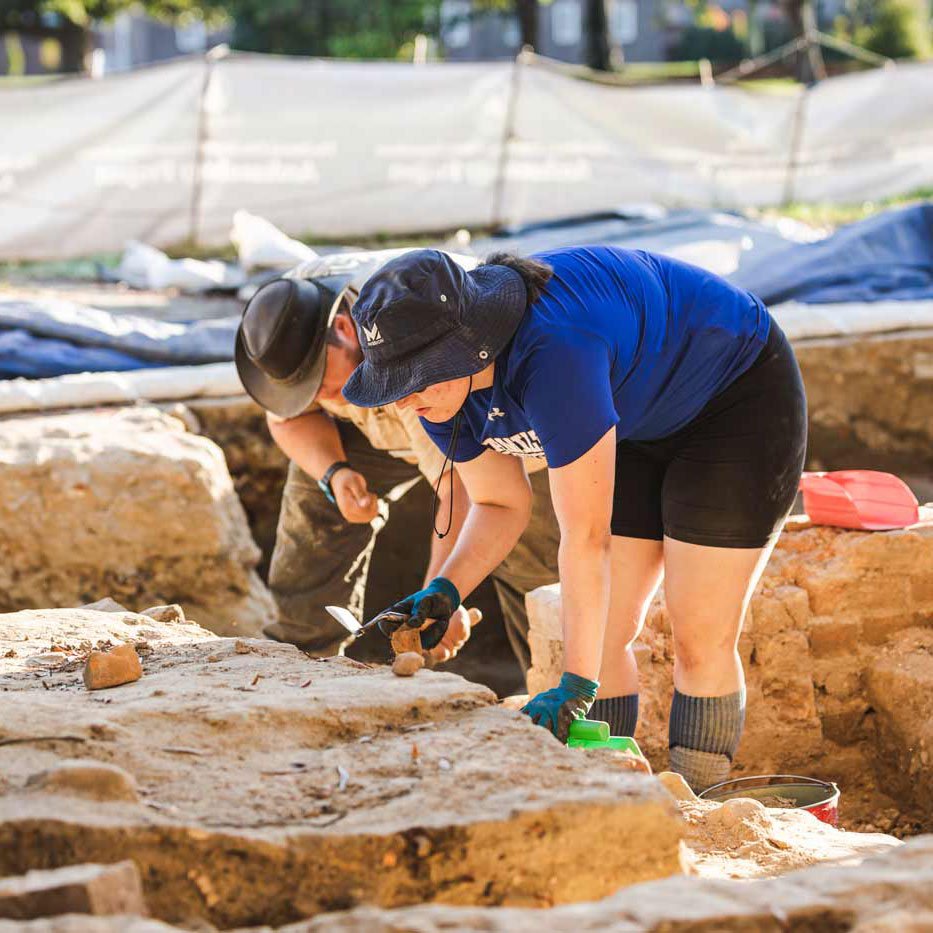
Colonial Williamsburg’s reconstruction of Charlton’s Coffeehouse is the first ground-up reconstruction along Duke of Gloucester Street in several decades. It involved the work of every department and trade in the Foundation. The exhibition explores how such a building could be so accurately constructed and furnished when seemingly very little was left of the original structure. It will use archaeological, architectural, archival, decorative arts and trades components to show visitors the process of rebuilding the history, structure, and interiors of the coffeehouse. Through video, graphics, original objects, and touchable reproductions, visitors will learn firsthand what it took to bring the project to completion. Ongoing exhibition.


American Furniture From Virginia to Vermont

American Furniture: From Virginia to Vermont

This exhibition in the Elizabeth Ridgely and Miodrag Blagojevich Gallery highlights pieces from three regions: Eastern Virginia, Pennsylvania, and New England. While early furniture forms and styles from these areas were similar from the late 17th through the early 19th centuries, the interpretation and the popularity of designs varied due to differences in local economies, trade settlement patterns, and the religious and cultural backgrounds of the inhabitants. A section on painted furniture further demonstrates regional styles and decorative influences. Through January 1, 2014.


Treasure Quest Great Silver Collections from Colonial Williamsburg

Treasure Quest: Great Silver Collections from Colonial Williamsburg

This exhibition in the Mary Jewett Gaiser Gallery displays selections from the Foundation’s vast collection of 18th-century British silver. The collection has grown through generous gifts from collectors of everything from lavish silver-plated dining wares to striking Scottish tea wares. Ongoing exhibit.


Identifying Ceramics The Who What and Ware

Identifying Ceramics: The Who, What and Ware

This exhibition takes a closer look at the production and decoration of ceramic wares of the 18th century. Find out the difference between stoneware, earthenware and porcelain and discover how ornament was created or applied. Through November 3, 2013.


Lock Stock and Barrel

Lock, Stock, and Barrel

This exhibition is an outstanding display of military and civilian weapons exploring muzzle-loading firearms, ignition systems, and the evolution of the standing British infantry musket before 1800. Ongoing exhibit.


Revolution in Taste

Revolution in Taste

This exhibition dazzles with rich and colorful choices in table and tea wares available to 18th-century British and American consumers. Expanding world trade and strengthening industry put a teapot on every table -- until tea became a symbol of protest in the American Revolution. Ongoing exhibit.


Footer