|
Teacher Resources
: Teacher Institute
: An 18th-Century Trades Sample
|
|
 |
 |
| |
|
| |
a photographic essay by 1999 Colonial
Williamsburg Teacher Institute participants |
|
Introduction /
Apothecary /
Blacksmith /
Founder /
Harnessmaker / Milliner
Printer & Bookbinder /
Shoemaker /
Silversmith /
Wigmaker /
Summary
|
|  |
"Attention, Attention! Get your latest fashions here at Margaret Hunter's
Millinery." Prior to the American Revolution, millinery shops
were a woman's business and were the only business a woman could
actually purchase. Milliners catered to the fashion needs of men,
women, and children. |
|
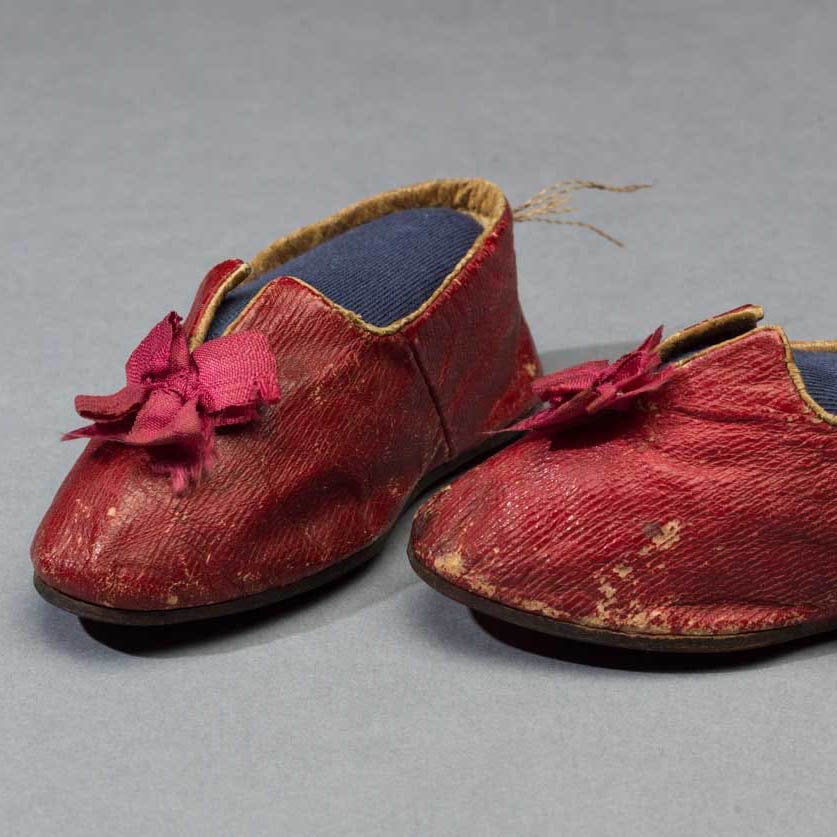
The Hunter Millinery sold fabric, baby and children's clothes,
hats and shoes, dolls, jewelry, tea pots, sugar, needles, thread, laces, liquor, lottery
and theatre tickets, ribbons, hair pieces, medicines, books, games, and much, much more.
In Latin, mille means 1000. A millinery might sell as many as 1000 different things, all
of which were imported from London. |
 |
 |
Not only did milliners sell fabric straight from the bolt, they also
employed mantua makers who "got-up" or made dresses, jackets, and gowns for
customers. A mantua-maker was responsible for draping, cutting, and sewing the gown. It
was possible for a gown to be "gotten-up" in the very latest fashion from London
with three half-hour fittings in seven days. |
|
The cost of any clothing varied depending on the type of fabric
that was chosen. If you could afford the material for your clothing, you could afford to have
your clothing made for you. For instance, a gown made from wool, silk, or cotton cost more than
one made from linen. The cost for the labor was less expensive than the material
involved. In fact, the material was 80%-90% of the cost of the gown. This teal
silk taffeta dress cost £15, a considerable amount of money, almost a half-years
salary for a young journeyman tradesman. |
 |
 |
While mantua-makers focused on ladies gowns, tailors "got-up"
men's fashions as well as women's stays and riding habits. Mr. James Slate, was a tailor from
trained in London. He catered to gentlemen customers in need of new fashions. Tailors
constructed men's clothing from the measure of the man. He adjusted a basic paper pattern to
fit the measurements. In the early 1770s there were more tailors than any other trade in
Williamsburg. |
* * * * *
For additional detailed information regarding 18th-century clothing please go to:
Introduction /
Apothecary /
Blacksmith /
Founder /
Harnessmaker / Milliner
Printer & Bookbinder /
Shoemaker /
Silversmith /
Wigmaker /
Summary

|  |