|
Teacher Resources
: Teacher Institute
: A Day in the Life of the Powell Family
|
|
 |
 |
| |
|
| |
a photographic essay by 1998 Colonial
Williamsburg Teacher Institute participants |
|
Introduction /
Father /
Mother /
Daughter /
Slaves / Summary
Daily activities as well as family and community interactions in the eighteenth century depended
upon the season of the year, time of day, social and economic status, age, gender and health in ways
that are difficult to imagine at the end of the twentieth century.
In the eighteenth century, all children received an education that prepared them for the work
they would do as adults. There were expected behaviors for all children, and corporal punishment
was considered to be the normal correction for breaking the rules. However, by the third quarter
of the eighteenth century, reacting to the child-rearing advice of John Locke, parents were
becoming more openly affectionate with their children, and devising new methods of teaching, such
as "playing into learning". Young adults had more freedom in both courtship and in
choosing a marriage partner, although they were still expected to ask for and receive their parents'
approval to marry.
The workday in the eighteenth century began and ended with the rising and the setting of the
sun. Everyone worked: men, women, children, rich and poor, black and white. The amount of work
performed and the difficulty of the labor very much depended upon who you were. The roles of men,
women and children were sharply defined, more so in a city like Williamsburg than in the countryside
where everyone in the family did whatever work was necessary for survival. Slave families faced
unique challenges to both the creation and survival of family life. Hard work, illness, and separation
of families were some of the difficulties faced by slaves. Nevertheless, slave families, like
white families, found the time for social activities. Music, dancing, storytelling, games and
conversation were pastimes that relieved the burdens of work and kept cultural traditions alive.
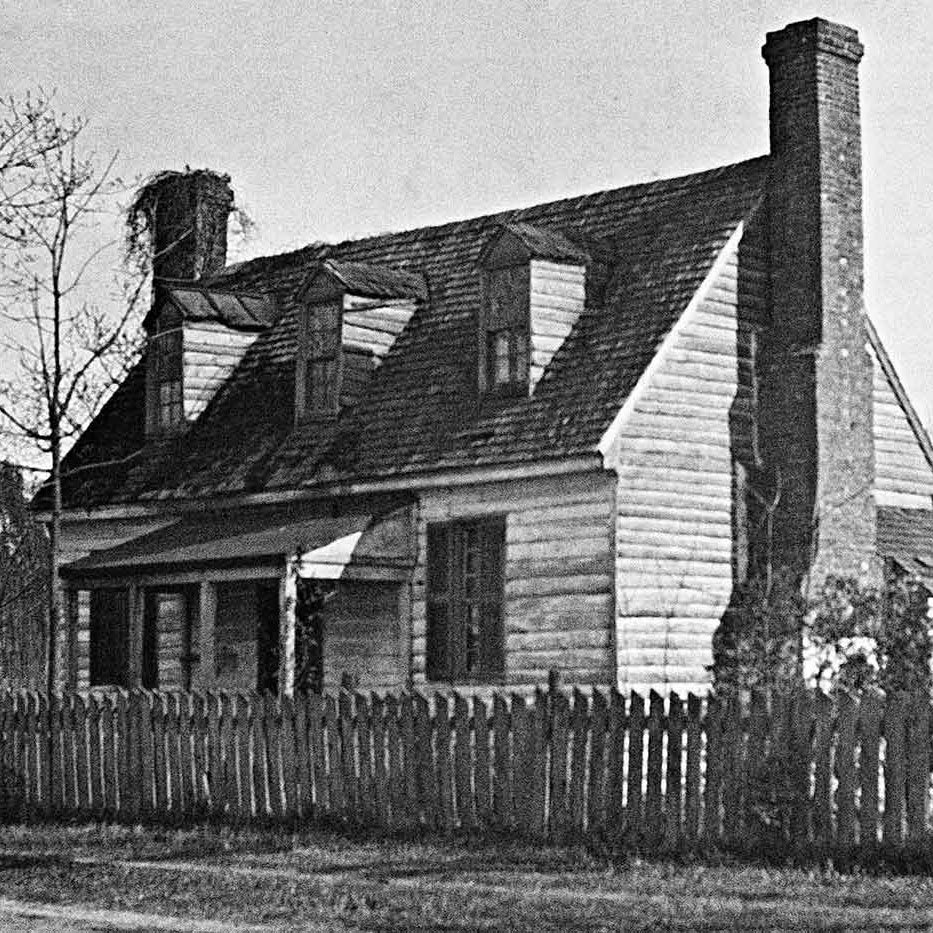
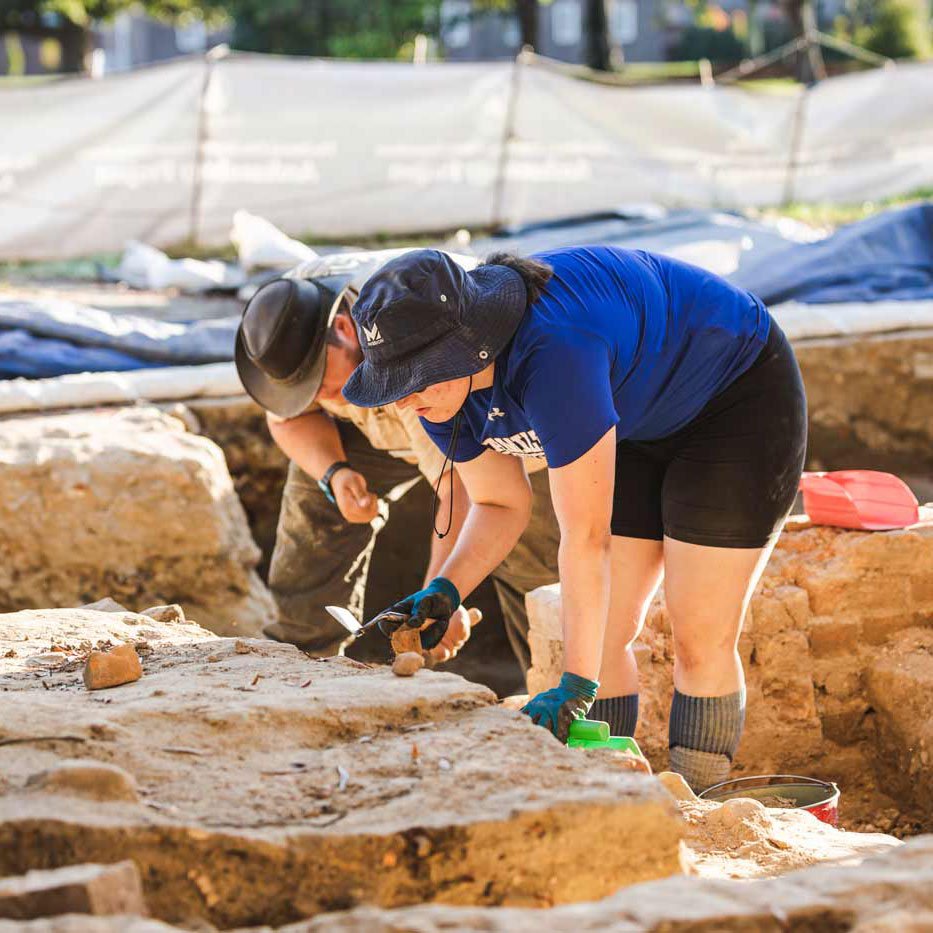
Teachers participating in the 1998 Colonial Williamsburg Teacher Institute
examined many aspects of eighteenth-century family life during their visit
to the Benjamin Powell House site. The teachers, in cooperative groups,
examined the daily life of a Powell family member by participating in
activities representative of an eighteenth-century urban household. At
the same time, by translating these experiences into digital images, teachers
were able to create a photographic essay of the life of the Powell family
that could be used in their classrooms. Teachers suggested the following
student activities in which they would use digital images:
- Create a photographic autobiography paralleling a day in the life of a Powell family
member and noting the similarities and differences in daily life then and now.
- In cooperative groups, produce a picture book with drawings and text, from the
perspective of each Powell family member, to share with children in a lower grade or
library story hour.
- Assume the roles of family members in eighteenth-century conversation, and compare
conversational topics and interactions today and in the past.
- Study eighteenth-century prints, portraits, artifacts, letters and diaries, and
archaeological findings and architectural research to draw conclusions about
eighteenth-century life.
s
As a result of their participation in some of the daily activities at the Benjamin Powell House,
1998 Colonial Williamsburg Teacher Institute participants achieved a deeper understanding of the
differences from and similarities to family life today. Choices, opportunities and responsibilities
for family members in the eighteenth century depended on whether they were black or white, male
or female, rich, poor or middling, free or enslaved, and living in country or city.
For additional information on Benjamin Powell or the Benjamin Powell House, go to the
following links:
For additional information on eighteenth-century family life, go to:
Introduction /
Father /
Mother /
Daughter /
Slaves / Summary

|  |