Teapot
An English-made teapot ca. 1766-1770 commemorates the repeal of the Stamp Act
Historical Period
The American Revolution and A New Nationcontributing partner

English manufacturers, worried about losing the American market, welcomed the repeal of the Stamp Act in March of 1766. The creamware teapots produced to commemorate this repeal are primarily adorned with the phrases "No Stamp Act" and "America Liberty Restored," suggesting they were created after the Act was repealed, rather than as a protest against it. Colonial Williamsburg's teapot bears the inscription "No Stamp Act" on both sides, and its similarity to other known examples strongly indicates it was also made after March 1766.
Date Created:
1766-1770
Format:
Artifact
Materials and Measurements:
Lead-glazed earthenware (creamware)
Point of Origin:
Staffordshire, England; H: 5 1/4", W: 7 1/2", D: 4 1/4"
Object Identifier #:
1953-417,A&B
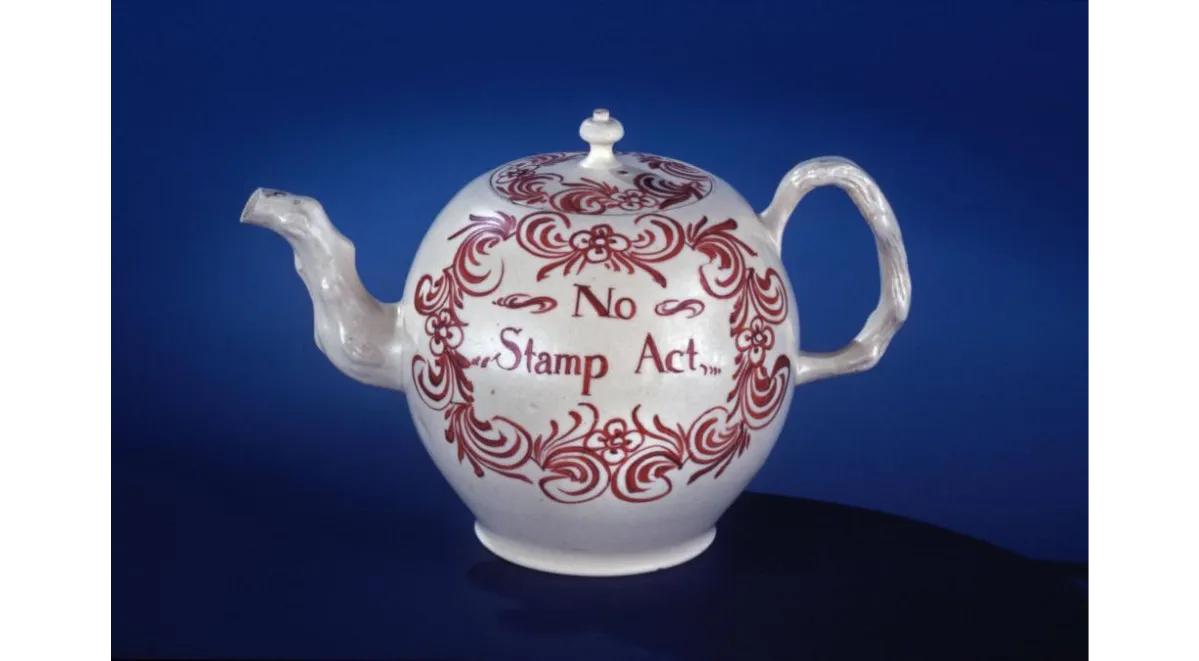
English manufacturers, worried about losing the American market, welcomed the repeal of the Stamp Act in March of 1766. The creamware teapots produced to commemorate this repeal are primarily adorned with the phrases "No Stamp Act" and "America Liberty Restored," suggesting they were created after the Act was repealed, rather than as a protest against it. Colonial Williamsburg's teapot bears the inscription "No Stamp Act" on both sides, and its similarity to other known examples strongly indicates it was also made after March 1766.
Date Created:
1766-1770
Format:
Artifact
Materials and Measurements:
Lead-glazed earthenware (creamware)
Point of Origin:
Staffordshire, England; H: 5 1/4", W: 7 1/2", D: 4 1/4"
Object Identifier #:
1953-417,A&B
Export Slides & Handouts
This primary source is ready-to-go as a presentation for classroom facilitation with questions and vocabulary via Google.
Teapot
Viewing:
Analysis Questions
Foster inquiry and understanding with these source-specific questions, designed to be accessible even for those with limited background knowledge.
say hello to the source
-
1.
Have you seen something similar to this before?
-
2.
Are there any unusual features that stand out to you or that you’re curious about?
-
3.
What would you like to know about this object?
make observations
-
4.
Describe this object as if you are explaining to someone who can’t see it.
-
5.
What do you notice about the spout and handle?
interpret what you see
-
6.
This teapot was made between 1766 and 1770. What was happening at the time it was created?
-
7.
The Stamp Act of 1765 was the first direct tax on American colonists by the British Parliament, leading to widespread protests and its repeal in 1766. English manufacturers celebrated the repeal, as shown by this commemorative teapot, made in Staffordshire, England. Why might English manufacturers have celebrated the repeal of a tax they didn’t have to pay?
use it as evidence
-
8.
Who might have used, bought, or wanted this? Why do you think that?
-
9.
The Stamp Act was a tax on paper products. Why then would someone put “No Stamp Act” on a teapot?
-
10.
After the repeal of the Stamp Act, the conflict between the colonies and British Parliament continued, ultimately leading to the outbreak of the American Revolution nine years later. How might a colonist, frustrated by British policies, have felt when looking at this commemorative teapot in 1775?
Vocabulary
Use these related vocabulary terms to build students’ understanding and support more meaningful discussions and learning outcomes in your classroom.
Related Educational Videos(1)
Found in This Collection, 1 items
There’s even more for Beta Users
Get Access to Everything
More Primary Sources In:
The American Revolution and A New Nation
Landing of General Lafayette
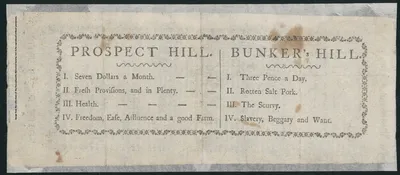
Prospect Hill. Bunker's Hill.
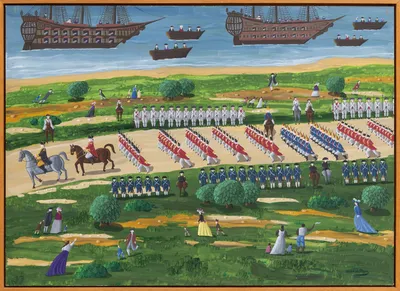
British Surrender at Yorktown, 1781
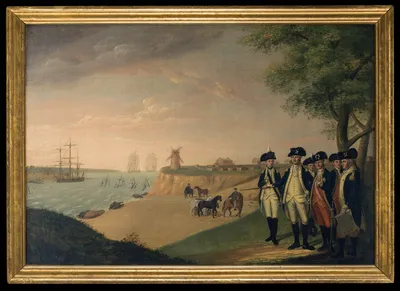
Washington and His Generals at Yorktown
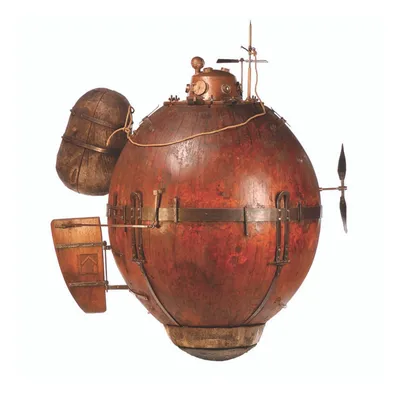
Bushnell Submarine Turtle
Paul Revere Deposition of the Midnight Ride, 1775
A Plan of Boston, and its Environs Shewing the True Situation of His Majesty's Army
A List of the Names of the Provincials who were Killed and Wounded in the late Engagement with His Majesty's Troops at Concord, &c.